

Anglican beliefs: what the Anglican tradition teaches
Anglicans hold the faith of the Scriptures, the historic creeds and the undivided early Church, ordered by bishops in historic succession and shaped by the Book of Common Prayer. They teach salvation by grace through faith in Christ, though provinces describe justification in somewhat different words, and they keep the two sacraments of the Gospel, Baptism and the Lord's Supper.
Worship: Common prayer from a prayer book: Holy Communion and the Daily Office through the church year, from simple to high ceremony.
Branches in the quiz: Anglican Church in North America, The Episcopal Church.
Take the quizVisit a church
Anglican Church in North America
The Episcopal Church
These are each tradition's own church directories. We don't review individual congregations.
Read more
- To Be a Christian: An Anglican Catechism — Anglican Church in North AmericaFree online
A question-and-answer guide to the Creed, the Lord's Prayer, and the Ten Commandments.
- The Book of Common Prayer (1979), including the Catechism — The Episcopal ChurchFree online
The Episcopal prayer book online. The Outline of the Faith near the back is a short catechism.
- Basic Christianity — John Stott
A clear, short book on who Jesus is, by one of the best-loved Anglican teachers of the last century.
Confessions and statements from Anglican churches
Figures and practice companions
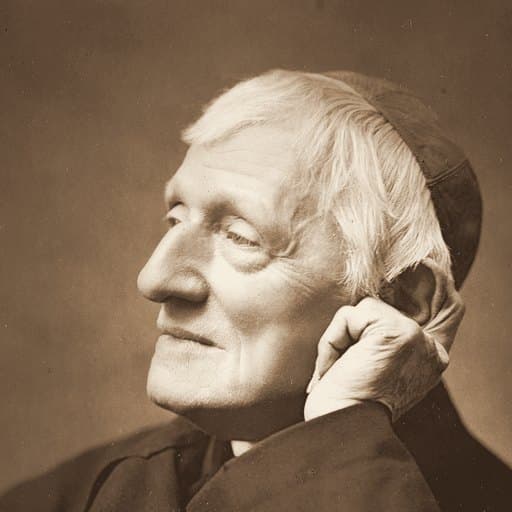
Image credit John Henry Newman
1801–1890 · Anglican, then Catholic (1845)
Oxford Movement leader who became a Catholic in 1845 and a cardinal in 1879; wrote on the development of doctrine. Canonized 2019.
Read: Apologia Pro Vita SuaFree online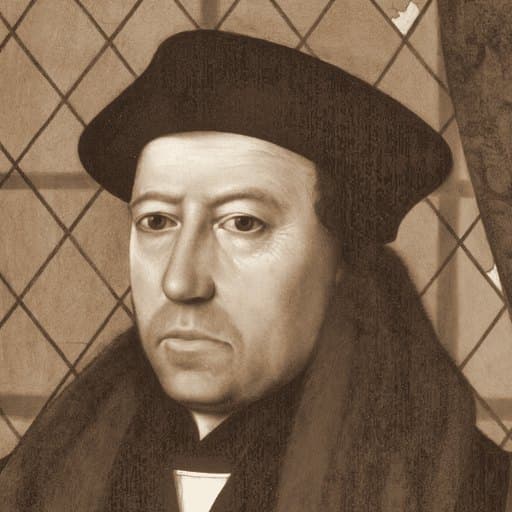
Image credit Thomas Cranmer
1489–1556 · Anglican
Archbishop of Canterbury under Henry VIII and Edward VI and chief author of the Book of Common Prayer; burned at Oxford under Mary I after withdrawing the recantations he had signed.
Read: The Book of Common Prayer (1662, built on Cranmer's 1549 and 1552 books)Free onlineWorth knowing: He pressed for the burning of Joan Bocher, executed for heresy in 1550.
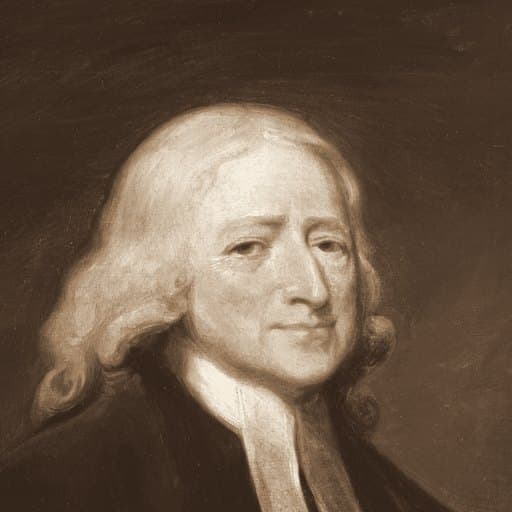
Image credit John Wesley
1703–1791 · Methodist (Church of England priest)
Anglican priest whose field preaching, societies and class meetings began the Methodist movement.
Read: Sermons on Several OccasionsFree online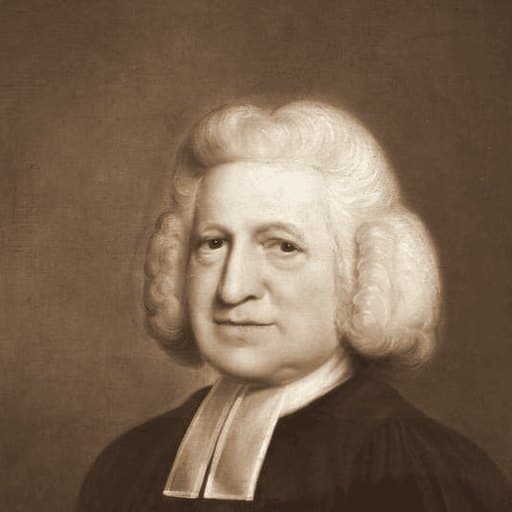
Image credit Charles Wesley
1707–1788 · Methodist (Church of England priest)
John Wesley's brother and the Methodist movement's hymn writer, author of some 6,000 hymns, including "And Can It Be".
Read: Hymns by Charles Wesley (Hymnary.org)Free online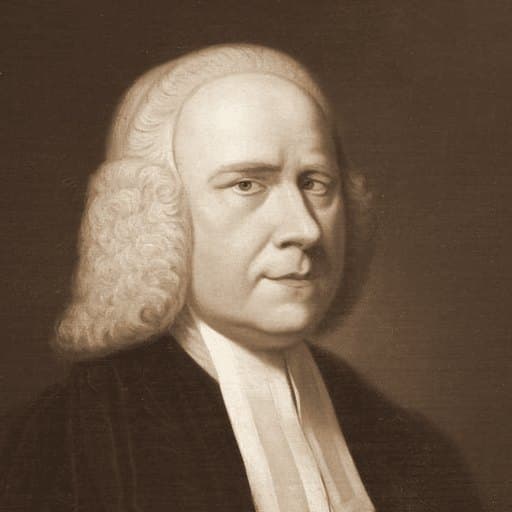
Image credit George Whitefield
1714–1770 · Calvinistic Methodist (Church of England priest)
Anglican evangelist whose open-air preaching in Britain and the American colonies drove the Great Awakening.
Read: Selected Sermons of George WhitefieldFree onlineWorth knowing: He campaigned to legalize slavery in Georgia and owned enslaved people at his Bethesda orphanage.
John Stott
1921–2011 · Anglican (evangelical)
Rector of All Souls, Langham Place, and author of The Cross of Christ; chief architect of the Lausanne Covenant (1974).
Read: Basic ChristianityJ. I. Packer
1926–2020 · Anglican (Reformed evangelical)
English-born theologian at Regent College, Vancouver, author of Knowing God and general editor of the ESV.
Read: Knowing GodC. S. Lewis
1898–1963 · Anglican (lay)
Oxford and Cambridge scholar, a lay member of the Church of England, who wrote Mere Christianity and the Narnia books.
Read: Mere Christianity
Practices associated with Anglican churches
Lectio Divina
Choose a short passage, perhaps a few verses from a Gospel. Read it slowly, twice. Stay with a word or phrase that catches you and turn it over. Then speak to God about it, and finally rest quietly with Him. You are not trying to finish the passage. You are listening.
Slow "sacred reading" is set for each day in the Rule of Benedict (ch. 48, 6th century). Guigo II, a Carthusian prior of the Grande Chartreuse, described its four steps (reading, meditation, prayer, contemplation) in The Ladder of Monks, 12th century.
Source: Reading the Sacred (Mepkin Abbey)“Guigo 2, a Carthusian prior of Grand Chartreuse in 1180 wrote a treatise of methodical prayer entitled “Scala Claustralium””
About LectioMorning Prayer (Book of Common Prayer)
Begin the day the way Anglicans have for nearly five centuries: a psalm, a reading from the Old Testament and one from the New, the Creed, the Lord's Prayer and a short collect. Fifteen minutes is plenty. Praying the same words as others around the world can steady a busy morning.
Daily Matins and Evensong in the first Book of Common Prayer (1549), condensed from the medieval monastic hours. Thomas Cranmer was its chief compiler.
Source: The 1549 Book of Common Prayer: Morning Prayer“Then shalbe said dailye through the yere the praiers folowing, as well at evensong as at Matins”
About Morning PrayerCompare Anglican teaching by topic
Anglican coverage: 30 of 31 questions. Review status and scoring
Anglican Church in North America · 30 topics available
No official position scored: Which music helps you worship most?
The Episcopal Church · 28 topics available
No official position scored: Which is closest to what you think about God's choosing and our choice? Which is closest to what you think: can a true believer fall away and be lost? Which music helps you worship most?
Read the positions and sources
Scripture and authority
When Christians disagree about what to believe, which is closest to what you think should settle it?
Anglican Church in North America
Teaches: “The Bible alone has the final word. Creeds, councils and teachers are all tested by it.” or “The Bible comes first, read together with the church's historic creeds and with reason and experience.”
Makes room for: “Scripture as the highest part of the church's Holy Tradition, read as the councils and the Fathers received it.”
Source: ACNA Fundamental Declarations of the Province (in BCP 2019), Declaration 1“We confess the canonical books of the Old and New Testaments to be the inspired Word of God, containing all things necessary for salvation, and to be the final authority and unchangeable standard for Christian faith and life.”
The Episcopal Church
Teaches: “The Bible comes first, read together with the church's historic creeds and with reason and experience.”
Some hold: “The Bible alone has the final word. Creeds, councils and teachers are all tested by it.”
Makes room for: “Scripture as the highest part of the church's Holy Tradition, read as the councils and the Fathers received it.”
Source: The Episcopal Church, What We Believe, episcopalchurch.org“The Scriptures—which we interpret through reason and tradition—provide our foundation.”
Which is closest to what you think about creeds and confessions (written summaries of what a church believes)?
Anglican Church in North America
Teaches: “The historic creeds matter, and our confessions guide us, but they leave room to read some things differently.”
Some hold: “A full confession of faith binds our pastors and teachers, because it faithfully sums up what Scripture teaches.”
Makes room for: “The creeds and the church's councils set out teaching that is settled for good and can't be revised.”
Source: To Be a Christian: An Anglican Catechism (ACNA, 2020), Q22“I receive and believe these creeds with the Church because they are grounded in Holy Scripture and are faithful expressions of its teaching.”
The Episcopal Church
Teaches: “The historic creeds matter, and our confessions guide us, but they leave room to read some things differently.”
Makes room for: “A short statement of faith keeps us united, and the Bible itself is what we really stand on.” or “The creeds and the church's councils set out teaching that is settled for good and can't be revised.”
Source: Book of Common Prayer 1979, An Outline of the Faith (Catechism), The Creeds“The creeds are statements of our basic beliefs about God.”
Which is closest to how you see the Bible's truthfulness?
Anglican Church in North America
Teaches: “The Bible is fully trustworthy in everything it teaches about God, salvation and how to live.”
Some hold: “The Bible is without error in everything it affirms, including what it says about history and the world.”
Makes room for: “The Bible is God's word through human writers. It tells the truth about Christ, and careful scholarship helps us read it.”
Source: To Be a Christian: An Anglican Catechism (ACNA, 2020), Q25“is therefore the Church’s final authority in all matters of faith and practice”
The Episcopal Church
Teaches: “The Bible is God's word through human writers. It tells the truth about Christ, and careful scholarship helps us read it.”
Some hold: “The Bible is fully trustworthy in everything it teaches about God, salvation and how to live.” or “The Bible holds God's word alongside its writers' own views, and we discern which parts speak for God today.”
Makes room for: “The Bible is without error in everything it affirms, including what it says about history and the world.”
Source: Book of Common Prayer 1979, An Outline of the Faith (Catechism), The Holy Scriptures“We call them the Word of God because God inspired their human authors and because God still speaks to us through the Bible.”
Salvation and grace
When God puts a sinner right with Himself, which is closest to what you think happens?
Anglican Church in North America
Teaches: “God forgives us and counts us righteous for Christ's sake, crediting His righteousness to us. We receive this by faith alone.”
Makes room for: “God forgives us and makes us truly righteous within by His grace, which grows as faith works through love.”
Source: Thirty-nine Articles of Religion (in BCP 2019), Article XI“We are accounted righteous before God, only for the merit of our Lord and Saviour Jesus Christ by Faith, and not for our own works or deservings”
The Episcopal Church
Teaches: “God brings us into a right relationship with Him, and that new life means following Jesus every day with His people.”
Some hold: “God forgives us and counts us righteous for Christ's sake, crediting His righteousness to us. We receive this by faith alone.” or “God forgives us and makes us truly righteous within by His grace, which grows as faith works through love.”
Makes room for: “God heals us and draws us into His own life, so that by grace we come to share in His nature.”
Source: Book of Common Prayer 1979, An Outline of the Faith (Catechism), The Sacraments: grace; God the Son“Grace is God's favor towards us, unearned and undeserved; by grace God forgives our sins, enlightens our minds, stirs our hearts, and strengthens our wills.”
Which is closest to how you think God usually gives people His saving grace?
Anglican Church in North America
Teaches: “Through His Word preached and the sacraments, which the Holy Spirit uses to create and strengthen faith.”
Some hold: “Mainly through the sacraments of the church, starting with baptism, received with faith.”
Makes room for: “When a person hears the gospel and personally trusts Christ. Baptism and the Lord's Supper then show it.”
Source: Thirty-nine Articles of Religion (in BCP 2019), Article XXV“they be certain sure witnesses, and effectual signs of grace, and God’s good will towards us, by the which he doth work invisibly in us”
The Episcopal Church
Teaches: “Through His Word preached and the sacraments, which the Holy Spirit uses to create and strengthen faith.”
Some hold: “Mainly through the sacraments of the church, starting with baptism, received with faith.”
Makes room for: “When a person hears the gospel and personally trusts Christ. Baptism and the Lord's Supper then show it.”
Source: Book of Common Prayer 1979, An Outline of the Faith (Catechism), The Sacraments“The sacraments are outward and visible signs of inward and spiritual grace, given by Christ as sure and certain means by which we receive that grace.”
Which is closest to what you think about whom Christ died to save?
Anglican Church in North America
Teaches: “Christ died for every person, so that anyone who turns to Him can be saved.”
Some hold: “Christ's death is enough for all people, and God intended it to surely save those He chose.”
Source: Thirty-nine Articles of Religion (in BCP 2019), Article XXXI“The Offering of Christ once made is that perfect redemption, propitiation, and satisfaction, for all the sins of the whole world”
The Episcopal Church
Teaches: “Christ died for every person, so that anyone who turns to Him can be saved.”
Some hold: “Christ's death will in the end bring every person back to God.”
Source: Book of Common Prayer 1979, Holy Eucharist Rite II, Prayer A, Eucharistic Prayer A“a perfect sacrifice for the whole world”
Which is closest to what you think about God's choosing and our choice?
Anglican Church in North America
Teaches: “Salvation is God's work alone, and He chose us in Christ. He chose no one to be lost; the lost refuse His grace.” or “God's choosing and our free choice are both true in Scripture, and I don't think we need a system to fit them together.”
Some hold: “Before creation God chose His people, not for anything He saw in them, and His grace surely brings them to faith.” or “God's grace goes before everyone and frees us to respond. God chooses in Christ those He knows will believe.”
Source: Thirty-nine Articles of Religion (in BCP 2019), Article XVII“to deliver from curse and damnation those whom he hath chosen in Christ out of mankind, and to bring them by Christ to everlasting salvation”
The Episcopal Church
Some hold: “God's choosing and our free choice are both true in Scripture, and I don't think we need a system to fit them together.”
Makes room for: “God's grace goes before everyone and frees us to respond. God chooses in Christ those He knows will believe.” or “Salvation is God's work alone, and He chose us in Christ. He chose no one to be lost; the lost refuse His grace.”
Not yet checked against the primary text, so the quiz doesn’t score this.
Source: Book of Common Prayer (1979), Catechism (An Outline of the Faith)
Which is closest to what you think: can a true believer fall away and be lost?
Anglican Church in North America
Teaches: “Yes. A believer can turn away from Christ and be lost, but while we live His grace keeps calling us back.”
Some hold: “No. Everyone God truly saves, He keeps, and they will go on in faith to the end.”
Makes room for: “Yes. Grace can be lost through serious sin, and God restores it through repentance and confession.”
Source: Thirty-nine Articles of Religion (in BCP 2019), Article XVI“After we have received the Holy Ghost, we may depart from grace given, and fall into sin, and by the grace of God we may arise again, and amend our lives.”
The Episcopal Church
Teaches: “Yes. A believer can turn away from Christ and be lost, but while we live His grace keeps calling us back.”
Makes room for: “Yes. Grace can be lost through serious sin, and God restores it through repentance and confession.”
Not yet checked against the primary text, so the quiz doesn’t score this.
Source: Book of Common Prayer 1979, Historical Documents, Article XVI
Which is closest to what you think about knowing where you stand with God?
Anglican Church in North America
Teaches: “I can be sure of God's grace because He promised it to me in His Word and in baptism, whatever I feel.”
Some hold: “Every true believer can be certain now of being saved in the end, because it rests on God's promise.”
Makes room for: “The Spirit gives an inner witness that I'm God's child, and I keep walking with Him so I don't drift away.”
Source: To Be a Christian: An Anglican Catechism (ACNA, 2020), Q121“and as a tangible assurance that we do in fact receive it”
The Episcopal Church
Teaches: “I can be sure of God's grace because He promised it to me in His Word and in baptism, whatever I feel.”
Some hold: “Every true believer can be certain now of being saved in the end, because it rests on God's promise.”
Makes room for: “I trust God's mercy today and hope for heaven, as I keep holding to Christ to the end of my life.”
Source: Book of Common Prayer (1979), Catechism (An Outline of the Faith), The Christian Hope (closing)“Our assurance as Christians is that nothing, not even death, shall separate us from the love of God which is in Christ Jesus our Lord.”
Which is closest to what you think about how God makes believers holy?
Anglican Church in North America
Teaches: “Holiness grows over a whole lifetime. Sin remains in us until we die, though it no longer rules us.”
Some hold: “God makes us holy through prayer, repentance and the sacraments as we grow toward union with Him.”
Makes room for: “God calls us to perfect love in this life. We press on toward it, and for most of us it's a lifelong path.”
Source: Thirty-nine Articles of Religion (in BCP 2019), Article IX“And this infection of nature doth remain, yea in them that are regenerated”
The Episcopal Church
Teaches: “Holiness grows over a whole lifetime. Sin remains in us until we die, though it no longer rules us.”
Some hold: “God calls us to perfect love in this life. We press on toward it, and for most of us it's a lifelong path.” or “God makes us holy through prayer, repentance and the sacraments as we grow toward union with Him.” or “Holiness is following Jesus in daily obedience, with a church that encourages and corrects us.”
Source: Book of Common Prayer 1979, An Outline of the Faith (Catechism), The Holy Spirit“The Holy Spirit is revealed as the Lord who leads us into all truth and enables us to grow in the likeness of Christ.”
The church
Which is closest to how you think the church should be led?
Anglican Church in North America
Teaches: “By bishops in succession from the apostles, in self-governing churches united in faith, with no single head on earth.”
Source: ACNA Fundamental Declarations of the Province (in BCP 2019), Declaration 3“We confess the godly historic Episcopate as an inherent part of the apostolic faith and practice”
The Episcopal Church
Teaches: “By bishops in succession from the apostles, in self-governing churches united in faith, with no single head on earth.”
Makes room for: “By bishops or superintendents who oversee a connection of churches and help place their pastors.”
Source: Book of Common Prayer 1979, Historical Documents, Chicago-Lambeth Quadrilateral, art. 4“The Historic Episcopate, locally adapted in the methods of its administration to the varying needs of the nations and peoples called of God into the unity of His Church.”
Which is closest to what you think about who may be ordained as a pastor or priest?
Anglican Church in North America
Teaches: “Only men may be ordained as priests and bishops, following Christ's choice of twelve men as apostles.” or “Each region or church body should decide this for itself, and both views can live together.”
Some hold: “Only men may serve as pastors or elders, and women serve in many other vital ministries.” or “Both men and women may be called by God and ordained as pastors.”
Source: ACNA College of Bishops, Statement on the Ordination of Women (Sept 2017), as published by Anglican Ink, Preamble“each Diocese and Jurisdiction has the freedom, responsibility, and authority to study Holy Scripture and the Apostolic Tradition of the Church, and to seek the mind of Christ in determining its own convictions and practices concerning the ordination of women to the diaconate and the priesthood”
The Episcopal Church
Teaches: “Both men and women may be called by God and ordained as pastors.”
Source: Constitution & Canons of the Episcopal Church (2024), Canon III.1.2“No person shall be denied access to the discernment process or to any process for the employment, licensing, calling, or deployment for any ministry, lay or ordained, in this Church because of race, color, ethnic origin, immigration status, national origin, sex”
Which is closest to what you think about ordination in an unbroken line from the apostles?
Anglican Church in North America
Teaches: “It's a precious gift the church should keep, though God also works through churches without it.”
Some hold: “It's necessary, together with the apostles' faith kept whole. Without bishops in that line who hold that faith, there is no valid priesthood and the Eucharist is not kept in its fullness.”
Makes room for: “What matters is that ministers hold to the apostles' teaching and are rightly called and ordained by the church.”
Source: ACNA Fundamental Declarations of the Province (in BCP 2019), Declaration 3“We confess the godly historic Episcopate as an inherent part of the apostolic faith and practice, and therefore as integral to the fullness and unity of the Body of Christ.”
The Episcopal Church
Teaches: “It's a precious gift the church should keep, though God also works through churches without it.”
Some hold: “What matters is that ministers hold to the apostles' teaching and are rightly called and ordained by the church.”
Makes room for: “It's necessary, together with the apostles' faith kept whole. Without bishops in that line who hold that faith, there is no valid priesthood and the Eucharist is not kept in its fullness.”
Source: Book of Common Prayer 1979, Historical Documents, Chicago-Lambeth Quadrilateral, art. 4“The Historic Episcopate, locally adapted in the methods of its administration to the varying needs of the nations and peoples called of God into the unity of His Church.”
Which is closest to what you think about Christians, war and oaths?
Anglican Church in North America
Teaches: “Christians may serve in the military for a just cause and may take an oath when the law asks for one.”
Makes room for: “Christians should work for peace, and each believer may follow conscience about serving in the military.” or “Christians should not fight in war or use violence, but taking an oath in court is fine.”
Source: Thirty-nine Articles of Religion (in BCP 2019), Articles XXXVII, XXXIX“It is lawful for Christian men, at the commandment of the Magistrate, to wear weapons, and serve in the wars.”
The Episcopal Church
Teaches: “Christians may serve in the military for a just cause and may take an oath when the law asks for one.” or “Christians should work for peace, and each believer may follow conscience about serving in the military.”
Makes room for: “Jesus' followers should not fight in war or use violence, and should give a plain yes or no instead of oaths.” or “Christians should not fight in war or use violence, but taking an oath in court is fine.”
Source: The Episcopal Church, Armed Forces and Federal Ministries: Just War and Pacifism, episcopalchurch.org“The Episcopal Church’s General Convention has urged church members to study and understand both the traditions of Just War and pacifism.”
Baptism and the Lord’s Supper
Which is closest to what you think about who should be baptized?
Anglican Church in North America
Teaches: “Believers and their children. Babies of Christian families should be baptized and raised in the faith.”
Makes room for: “Believers, and young children too when their parents ask for it. Either is fine, by the family's choice.”
Source: Thirty-nine Articles of Religion (in BCP 2019), Article XXVII“The Baptism of young Children is in any wise to be retained in the Church, as most agreeable with the institution of Christ.”
The Episcopal Church
Teaches: “Believers and their children. Babies of Christian families should be baptized and raised in the faith.”
Makes room for: “Believers, and young children too when their parents ask for it. Either is fine, by the family's choice.”
Source: Book of Common Prayer 1979, An Outline of the Faith (Catechism), Holy Baptism“Infants are baptized so that they can share citizenship in the Covenant, membership in Christ, and redemption by God.”
Which is closest to what you think happens in baptism?
Anglican Church in North America
Teaches: “God truly washes away sin and gives new birth in baptism, joining the person to Christ.” or “A sign and seal of God's promise. God uses it to mark us as His, though grace isn't tied to that moment.”
Source: Thirty-nine Articles of Religion (in BCP 2019), Article XXVII“it is also a sign of Regeneration or new Birth, whereby, as by an instrument, they that receive Baptism rightly are grafted into the Church”
The Episcopal Church
Teaches: “God truly washes away sin and gives new birth in baptism, joining the person to Christ.”
Some hold: “A sign and seal of God's promise. God uses it to mark us as His, though grace isn't tied to that moment.”
Source: Book of Common Prayer 1979, An Outline of the Faith (Catechism), Holy Baptism“Holy Baptism is the sacrament by which God adopts us as his children and makes us members of Christ's Body, the Church, and inheritors of the kingdom of God.”
Which is closest to what you think about how baptism should be done?
Anglican Church in North America
Teaches: “Pouring, sprinkling or immersion are all fine. The water and the name of the Trinity are what matter.”
Makes room for: “By immersing three times, in the name of the Father, and of the Son, and of the Holy Spirit.” or “Usually by pouring water on the head, as a sign of the Holy Spirit poured out.”
Source: Book of Common Prayer 2019 (ACNA), Holy Baptism, rubric“Then the Celebrant immerses the Candidate or pours water upon the Candidate three times”
The Episcopal Church
Teaches: “Pouring, sprinkling or immersion are all fine. The water and the name of the Trinity are what matter.”
Makes room for: “By immersing three times, in the name of the Father, and of the Son, and of the Holy Spirit.” or “Usually by pouring water on the head, as a sign of the Holy Spirit poured out.”
Source: Book of Common Prayer 1979, Holy Baptism, rubric at the Baptism“who then immerses, or pours water upon, the candidate”
When the church shares the bread and cup, which is closest to what you think?
Anglican Church in North America
Teaches: “Christ is truly present by His Spirit, and believers feed on Him by faith, while the bread stays bread.”
Some hold: “The bread and wine truly become Christ's body and blood. How this happens is a holy mystery we don't define.”
Makes room for: “Christ's true body and blood are present in, with and under the bread and wine, received by all who eat.”
Source: Thirty-nine Articles of Religion (in BCP 2019), Article XXVIII“The Body of Christ is given, taken, and eaten, in the Supper, only after an heavenly and spiritual manner. And the mean whereby the Body of Christ is received and eaten in the Supper is Faith.”
The Episcopal Church
Teaches: “Christ is truly present by His Spirit, and believers feed on Him by faith, while the bread stays bread.”
Some hold: “The bread and wine truly become Christ's body and blood. How this happens is a holy mystery we don't define.”
Makes room for: “Christ's true body and blood are present in, with and under the bread and wine, received by all who eat.” or “We remember Christ's death, proclaim it and look for His return, with the bread and cup as signs.”
Source: Book of Common Prayer 1979, An Outline of the Faith (Catechism), The Holy Eucharist“The inward and spiritual grace in the Holy Communion is the Body and Blood of Christ given to his people, and received by faith.”
Which is closest to what you think about how often a church should share the Lord's Supper?
Anglican Church in North America
Teaches: “Every Sunday, as the high point of worship, and on many other days too.”
Some hold: “Every Sunday, because the first Christians broke bread on the first day of each week.” or “Regularly, perhaps monthly or quarterly. It's special, but it isn't part of every service.”
Source: Book of Common Prayer 2019 (ACNA), Concerning the Holy Eucharist“Holy Communion is normally the principal service of Christian worship on the Lord’s Day, and on other appointed Feasts and Holy Days.”
The Episcopal Church
Teaches: “Every Sunday, as the high point of worship, and on many other days too.”
Some hold: “Every Sunday, because the first Christians broke bread on the first day of each week.” or “Regularly, perhaps monthly or quarterly. It's special, but it isn't part of every service.”
Source: Book of Common Prayer 1979, Concerning the Service of the Church“The Holy Eucharist, the principal act of Christian worship on the Lord's Day and other major Feasts”
Which is closest to what you think Christ gave His church to keep as lasting rites?
Anglican Church in North America
Teaches: “Two sacraments, baptism and the Lord's Supper, through which God gives His grace.”
Some hold: “Seven sacraments: baptism, confirmation or chrismation, the Eucharist, confession, anointing of the sick, ordination and marriage.”
Makes room for: “Two ordinances, baptism and the Lord's Supper, kept in obedience as signs of the gospel.”
Source: To Be a Christian: An Anglican Catechism (ACNA, 2020), Q123-125“These are sometimes called “sacraments of the Gospel.””
The Episcopal Church
Teaches: “Two sacraments, baptism and the Lord's Supper, through which God gives His grace.”
Some hold: “Seven sacraments: baptism, confirmation or chrismation, the Eucharist, confession, anointing of the sick, ordination and marriage.”
Makes room for: “Two ordinances, baptism and the Lord's Supper, kept in obedience as signs of the gospel.”
Source: Book of Common Prayer 1979, An Outline of the Faith (Catechism), The Sacraments; Other Sacramental Rites“The two great sacraments given by Christ to his Church are Holy Baptism and the Holy Eucharist.”
The Holy Spirit’s gifts
Which is closest to what you think about gifts like prophecy, tongues and healing today?
Anglican Church in North America
Teaches: “They can still happen, but the church should test them with care, and they aren't the focus of church life.”
Some hold: “All the gifts in the New Testament are for today, and churches should seek them and make room for them.” or “The Spirit gives gifts to every believer for building up the church, and I don't sort them into kinds.”
Source: To Be a Christian: An Anglican Catechism (ACNA, 2020), Q90“Among the many gifts of the Holy Spirit named in the New Testament are faith, healing, miracles, prophecy, discernment of spirits, other languages (“tongues”)”
The Episcopal Church
Teaches: “They can still happen, but the church should test them with care, and they aren't the focus of church life.” or “The Spirit gives gifts to every believer for building up the church, and I don't sort them into kinds.”
Some hold: “All the gifts in the New Testament are for today, and churches should seek them and make room for them.”
Makes room for: “The miraculous sign gifts were for the apostles' time and ended when Scripture was complete.”
Source: Book of Common Prayer 1979, An Outline of the Faith (Catechism), The Ministry“according to the gifts given them, to carry on Christ's work of reconciliation in the world”
Which is closest to what you think about being baptized (or filled) with the Holy Spirit?
Anglican Church in North America
Teaches: “The Spirit is given through God's Word and baptism, sealed in some churches by anointing or the laying on of hands (at baptism itself in Orthodox and Eastern Catholic churches, later in Western confirmation).”
Some hold: “It's an empowering experience distinct from conversion, but tongues aren't its required sign.” or “Every believer receives the Spirit on coming to faith, and we can be filled again and again.”
Source: To Be a Christian: An Anglican Catechism (ACNA, 2020), Q. 127“But in Baptism, through faith in Christ and the gift of the Holy Spirit, I am made a member of Christ's Body and adopted as God's child and heir.”
The Episcopal Church
Teaches: “The Spirit is given through God's Word and baptism, sealed in some churches by anointing or the laying on of hands (at baptism itself in Orthodox and Eastern Catholic churches, later in Western confirmation).”
Some hold: “It's an empowering experience distinct from conversion, but tongues aren't its required sign.” or “Every believer receives the Spirit on coming to faith, and we can be filled again and again.”
Source: Book of Common Prayer 1979, An Outline of the Faith (Catechism), Other Sacramental Rites: Confirmation“receive strength from the Holy Spirit through prayer and the laying on of hands by a bishop”
When Christians pray for the sick, which is closest to what you think?
Anglican Church in North America
Teaches: “God heals, sometimes by miracle and often through medicine. We pray, use both and trust His will.” or “The church anoints the sick in a sacrament that gives grace for body and soul, and sometimes healing.”
Some hold: “Praying for the sick with laying on of hands is part of every believer's ministry, as Jesus did when He announced the kingdom.”
Makes room for: “Healing is provided for in Christ's death, and believers can pray in faith expecting God to heal.” or “God heals as He wills, usually through ordinary means. We pray, but we don't expect miracles as a pattern.”
Source: To Be a Christian: An Anglican Catechism (ACNA, 2020), Q124“and the anointing of the sick ( James 5:14)”
The Episcopal Church
Teaches: “God heals, sometimes by miracle and often through medicine. We pray, use both and trust His will.” or “The church anoints the sick in a sacrament that gives grace for body and soul, and sometimes healing.”
Makes room for: “Praying for the sick with laying on of hands is part of every believer's ministry, as Jesus did when He announced the kingdom.” or “God heals as He wills, usually through ordinary means. We pray, but we don't expect miracles as a pattern.”
Source: Book of Common Prayer 1979, An Outline of the Faith (Catechism), Other Sacramental Rites: Unction“Unction is the rite of anointing the sick with oil, or the laying on of hands, by which God's grace is given for the healing of spirit, mind, and body.”
Mary and the saints
Which is closest to what you think about the saints in heaven?
Anglican Church in North America
Teaches: “We thank God for the saints and follow their example, but we pray to God alone.”
Some hold: “We may ask Mary and the saints to pray for us, honoring them while worshiping God alone.” or “Every believer, living or dead, is a saint. We remember faithful Christians without special honor for some.”
Makes room for: “The saints in heaven pray for the church, but Scripture doesn't teach us to ask them to.”
Source: Thirty-nine Articles of Religion (in BCP 2019), Article XXII“and also Invocation of Saints, is a fond thing vainly invented, and grounded upon no warranty of Scripture”
The Episcopal Church
Teaches: “We thank God for the saints and follow their example, but we pray to God alone.”
Some hold: “We may ask Mary and the saints to pray for us, honoring them while worshiping God alone.”
Makes room for: “The saints in heaven pray for the church, but Scripture doesn't teach us to ask them to.” or “Every believer, living or dead, is a saint. We remember faithful Christians without special honor for some.”
Source: Book of Common Prayer (1979), Catechism (An Outline of the Faith), The Christian Hope“The communion of saints is the whole family of God, the living and the dead, those whom we love and those whom we hurt, bound together in Christ by sacrament, prayer, and praise.”
Which is closest to what you think about Mary, the mother of Jesus?
Anglican Church in North America
Teaches: “She is blessed among women. We honor her as a model of faith, without the later dogmas of her Immaculate Conception and Assumption.”
Some hold: “She stayed ever-virgin and was taken to her Son when she fell asleep. We honor her above all the saints and ask her prayers.”
Makes room for: “She was a godly woman God chose to bear Jesus, and an example of faith like other believers.”
Source: To Be a Christian: An Anglican Catechism (ACNA, 2020), Q. 56“While still a virgin, Mary submitted to the will of God and bore the Son of God. Therefore, she is held in high honor.”
The Episcopal Church
Teaches: “She is blessed among women. We honor her as a model of faith, without the later dogmas of her Immaculate Conception and Assumption.”
Some hold: “She stayed ever-virgin and was taken to her Son when she fell asleep. We honor her above all the saints and ask her prayers.”
Makes room for: “She was a godly woman God chose to bear Jesus, and an example of faith like other believers.”
Source: Book of Common Prayer (1979), Calendar of the Church Year, Major feast, August 15“Saint Mary the Virgin, Mother of Our Lord Jesus Christ”
Last things
Which is closest to what you think about Christ's return and the thousand years in Revelation 20?
Anglican Church in North America
Teaches: “Christ will return in glory to judge the living and the dead, and I don't think we need a timeline.”
Some hold: “After a time of great trouble, Christ will return and reign on earth for a thousand years before the final judgment.” or “The thousand years is the present age of Christ's reign. He will return once, to raise the dead and judge.”
Makes room for: “Christ will take His church to Himself before a time of great trouble, then return to reign on earth for a thousand years.” or “The gospel will spread through much of the world in a long age of peace before Christ returns.”
Source: To Be a Christian: An Anglican Catechism (ACNA, 2020), Q. 76“His coming in victory with great glory and power will be seen by all people and will bring this age to an end.”
The Episcopal Church
Teaches: “Christ will return in glory to judge the living and the dead, and I don't think we need a timeline.”
Some hold: “The thousand years is the present age of Christ's reign. He will return once, to raise the dead and judge.”
Makes room for: “The gospel will spread through much of the world in a long age of peace before Christ returns.”
Source: Book of Common Prayer 1979, An Outline of the Faith (Catechism), The Christian Hope“By the coming of Christ in glory, we mean that Christ will come, not in weakness but in power, and will make all things new.”
Which is closest to what you think happens to believers when they die, before the final resurrection?
Anglican Church in North America
Teaches: “They rest in Christ, and the church keeps praying for them as they wait for the resurrection.” or “They go straight to be with Christ, fully forgiven, and wait for the resurrection of the body.”
Makes room for: “Those who die in God's grace but still need cleansing are purified before heaven, and our prayers help them.”
Source: To Be a Christian: An Anglican Catechism (ACNA, 2020), Q115“But, by the will of God, my soul will be with the Lord, and I will rise bodily from death when Jesus Christ returns”
The Episcopal Church
Teaches: “They rest in Christ, and the church keeps praying for them as they wait for the resurrection.”
Some hold: “They go straight to be with Christ, fully forgiven, and wait for the resurrection of the body.”
Makes room for: “Those who die in God's grace but still need cleansing are purified before heaven, and our prayers help them.”
Source: Book of Common Prayer 1979, An Outline of the Faith (Catechism), The Christian Hope“We pray for them, because we still hold them in our love, and because we trust that in God's presence those who have chosen to serve him will grow in his love, until they see him as he is.”
Worship
Which kind of service feels most like worship to you?
Anglican Church in North America
Teaches: “A set order from a prayer book or hymnal, with Scripture readings, confession, the creed and the Lord's Prayer.”
Some hold: “The ancient liturgy, sung or chanted, with the church's set prayers in an order kept for centuries.”
Makes room for: “A long time of singing, then preaching, with freedom for spontaneous prayer and response.”
Source: Jerusalem Declaration, Art. 6“we uphold the 1662 Book of Common Prayer as a true and authoritative standard of worship and prayer”
The Episcopal Church
Teaches: “A set order from a prayer book or hymnal, with Scripture readings, confession, the creed and the Lord's Prayer.”
Some hold: “The ancient liturgy, sung or chanted, with the church's set prayers in an order kept for centuries.”
Makes room for: “A long time of singing, then preaching, with freedom for spontaneous prayer and response.”
Source: Book of Common Prayer 1979, Concerning the Service of the Church“and Daily Morning and Evening Prayer, as set forth in this Book, are the regular services appointed for public worship in the Church.”
Which music helps you worship most?
Anglican Church in North America
Teaches: “Hymns with organ or piano, and a choir.”
Some hold: “Ancient chant and sung prayers, mostly without instruments.” or “A worship band leading contemporary songs.”
Not yet checked against the primary text, so the quiz doesn’t score this.
The Episcopal Church
Teaches: “Hymns with organ or piano, and a choir.”
Some hold: “Ancient chant and sung prayers, mostly without instruments.” or “A worship band leading contemporary songs.”
Makes room for: “Gospel music, with choir, organ and drums, and freedom to respond.”
Not yet checked against the primary text, so the quiz doesn’t score this.
How much should the church year shape worship?
Anglican Church in North America
Teaches: “A lot. The whole year follows the feasts and fasts, with readings set for each day.”
Some hold: “Some. We keep the main seasons: Advent, Christmas, Lent, Holy Week and Easter.”
Source: Book of Common Prayer 2019 (ACNA), Calendar of the Christian Year“The Christian Year consists of two cycles of holy days.”
The Episcopal Church
Teaches: “A lot. The whole year follows the feasts and fasts, with readings set for each day.”
Some hold: “Some. We keep the main seasons: Advent, Christmas, Lent, Holy Week and Easter.”
Source: Book of Common Prayer 1979, The Calendar of the Church Year“The Church Year consists of two cycles of feasts and holy days”
In worship, what do you most hope for?
Anglican Church in North America
Teaches: “Reverent, ordered beauty, with the Lord's Supper at the center.” or “Clear preaching of God's Word that teaches and convicts, with heartfelt singing.”
Some hold: “Freedom in the Spirit, with raised hands, prayer for one another, and gifts like prophecy.”
Makes room for: “Quiet stillness before God, with plenty of room for silence.” or “A close church family sharing life, singing together and caring for one another.”
Source: Thirty-nine Articles (in BCP 2019), Article XIX“The visible Church of Christ is a congregation of faithful men, in the which the pure Word of God is preached, and the Sacraments be duly ministered”
The Episcopal Church
Teaches: “Reverent, ordered beauty, with the Lord's Supper at the center.”
Some hold: “Clear preaching of God's Word that teaches and convicts, with heartfelt singing.” or “Quiet stillness before God, with plenty of room for silence.”
Makes room for: “Freedom in the Spirit, with raised hands, prayer for one another, and gifts like prophecy.”
Source: Book of Common Prayer 1979, Concerning the Service of the Church“The Holy Eucharist, the principal act of Christian worship on the Lord's Day and other major Feasts”