This compares your views with what each tradition teaches. It doesn't measure faith, salvation or how good a Christian you are, or judge which church is right. To understand a church, read its own words and talk with its pastors.
It compares 14 families of churches. Their official texts confess the Trinity and Jesus as fully God and fully human, with one exception: some unprogrammed Friends’ meetings, which keep no creed, don’t use that language. Churches of Christ also confess the Trinity. They keep no binding written creed, so their positions come from published descriptions of their teaching. Latter-day Saints, Jehovah’s Witnesses and Oneness Pentecostals aren’t included. Seventh-day Adventists will be added once we’ve read their own statement of beliefs.
Where each position comes from
Every position in the quiz comes from one table. The quiz, the results and the tradition pages all read it, so they use the same positions. Sources include confessions, catechisms and statements of faith. Some traditions have no binding creed. Secondary sources are marked on each tradition’s page. We score a secondary source only when we’ve approved it for that question.
A cell counts when it has been verified against a primary text or approved for scoring from a secondary source. Where a tradition’s own texts allow more than one view, each allowed view counts as its standard teaching; where we couldn’t check, the cell is left out. The fairness review uses AI-written checks, one from each side of a question. Review by members of each tradition is still to come. If you belong to one of these churches and spot an error, please send us a correction with the church’s own source.
This comparison covers a cappella Churches of Christ. The instrumental Christian Churches and the Disciples of Christ are related Stone-Campbell churches we haven’t compared yet.
How answers are scored
For each answer, a tradition’s position falls into one of four tiers, each with a distance from your answer:
Your answer is the tradition’s
Distance
standard teaching
0
view some of its members hold
0.35
view it makes room for
0.7
view it doesn’t hold
1
The raw match is 100 × (1 − the weighted average distance), over the questions you answered that the tradition has a verified position or an approved secondary source on. “This matters a lot to me” counts an answer 2 times. Some worship questions count half, so a love of one style of music can’t outweigh a view of baptism. “I’m not sure yet” and questions skipped by the baptism or communion rules aren’t counted. When two questions cover the same teaching for a branch, each counts for less.
A position that makes room for more answers tells us less, so it gets less weight: we count excluded answers (including unlisted ones), divide by the number of options minus one, and keep that fraction between zero and one. Its weight is multiplied by 0.25 plus 0.75 times that fraction.
A branch needs at least 5 scored answers. Its raw match is adjusted toward 50 when fewer topics are available: (N × raw match + 6 × 50) ÷ (N + 6). A family takes its closest branch’s score, except Anglican and Friends, where we average the two closest scored branches. With only their closest branch, random answers landed on these two families more often than on the others.
Traditions within 4 points of the closest one are shown together as a tie, in an order that depends on your answers and never on the alphabet. Results describe closeness in words: “very close” from 85, “close” from 70, “some overlap” from 55, and “further apart” below that.
Position bars use fixed coordinates from 0 to 1 for six tradition questions, averaging your answered items equally; each family marker averages the primary positions of your closest branch on scored items for that axis. Unanswered axes and families without scored positions are left out. These summaries do not change your match score; the notes beside each bar explain views that do not fit neatly between its ends.
Figures from church history are matched the same way, on the questions they wrote about, and only when they addressed at least 4 of the questions you answered. No living figures are included. The pushback card shows the lowest eligible match with at least one disagreement, using the same overlap minimum; it stays off shared pages.
The 11 questions on the core of the faith and on the gospel don’t change your tradition match. If you pick a view the early church rejected, you’ll see a short note with Scripture and the people who answered it. The notes describe historic Christian teaching and don’t judge anyone’s faith or salvation. Questions churches still debate with each other, like baptism or predestination, never get a note.
How we tested it
The test personas are AI-written answer sets built from each tradition’s teaching. The launch checks require them to match that tradition. They also check whether random answers pile onto one tradition and compare the results with two other scoring formulas. These are tests of the quiz, not a study of what typical believers think.
Your privacy
Scoring runs on your own device. Your answers are kept in the part of your results link after the “#”, which browsers leave out of requests to our server. The default share link includes only your top traditions. “Share my full answers” includes every answer in the link, so the person or service you send it to can read them. Shared pages show tradition results and an invitation to take the quiz; they leave out learning panels.
Your browser also saves unfinished answers and recent results so you can return to them. Results links stay in your browser history and may sync to your other devices. We count quiz starts, progress and completions, and the top tradition, without recording individual answers.
Review status (data version 1)
Scored includes verified primary sources and approved secondary sources. Open means no fixed position is scored.
The quiz asks its questions in this order. The order doesn’t change the scoring.
1. Who Jesus is. What Christians have confessed together since the early church about Jesus, the Father and the Spirit. These answers don’t change your tradition match.
2. The gospel. The good news itself: why we need grace, what Jesus did, and how His grace reaches us. These don’t change your match either.
3. Scripture and authority. Where you look when Christians disagree about what to believe.
4. Salvation and grace. How God makes people right with Himself, and what that means for the rest of life.
5. The church. How churches are led and who may lead them, and how Christians see oaths and war.
6. Baptism and the Lord’s Supper. What happens in the two practices Jesus gave His church, and who takes part.
7. The Holy Spirit’s gifts. Whether gifts like tongues, prophecy and healing are for today.
8. Mary and the saints. How Christians honor Mary and the saints, and whether to ask for their prayers.
9. Last things. How you read the promises about Christ’s return and what comes after death.
10. Worship. These questions ask about worship style. They count for less than the doctrine questions.
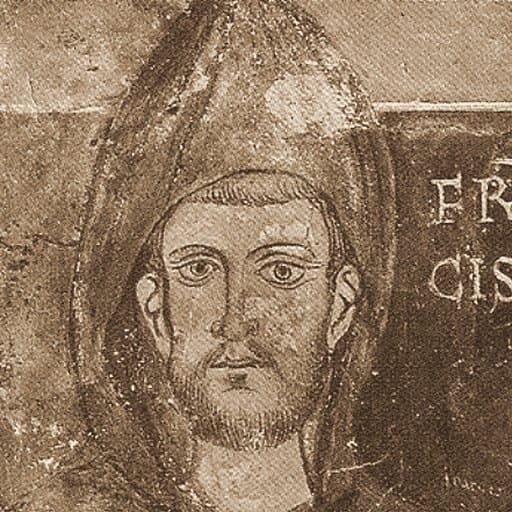
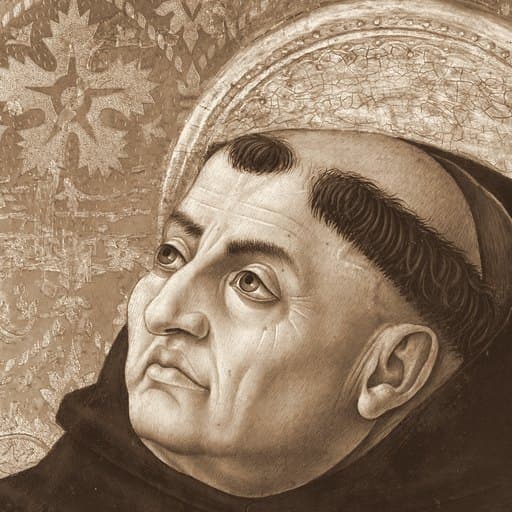
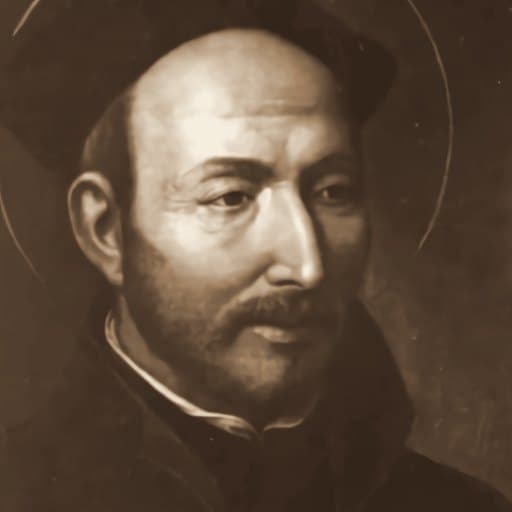
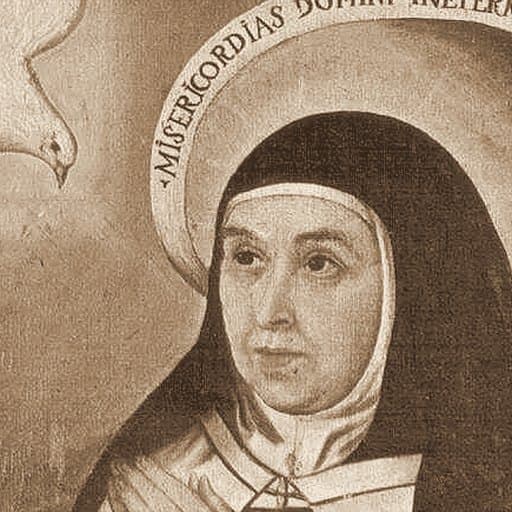
Practice companions are figures listed for a habit they’re known for, like Benedict’s rule of prayer. Some other figures are listed for their place in church history. Practice companions and figures with fewer than 4 verified tradition topics are never offered as people who share your views.
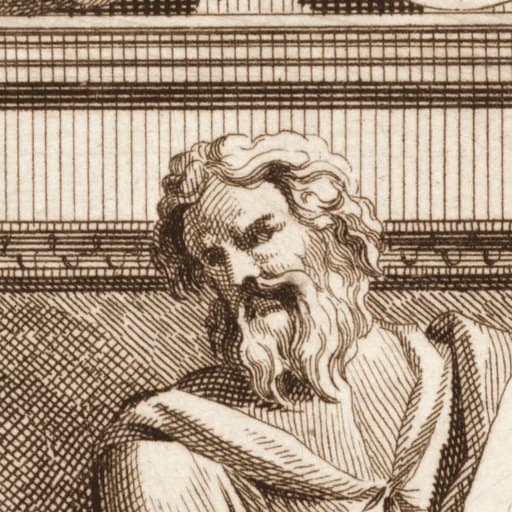
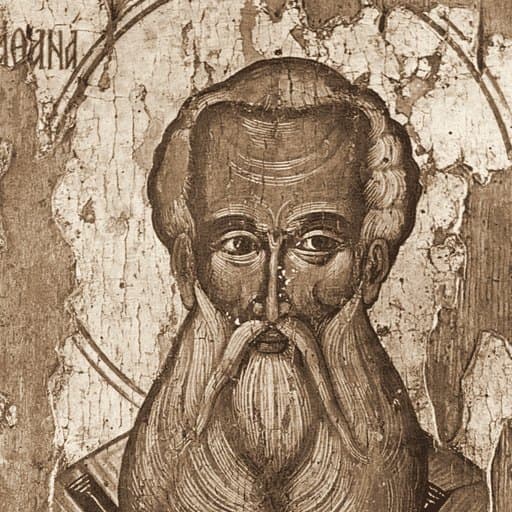
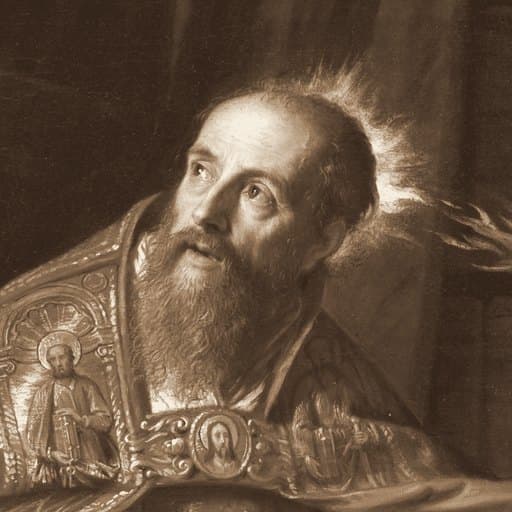
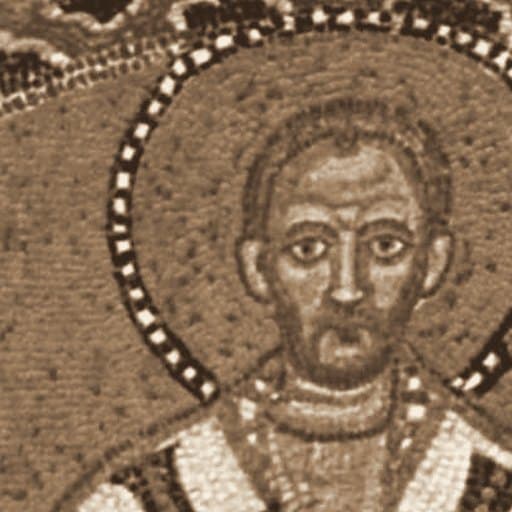
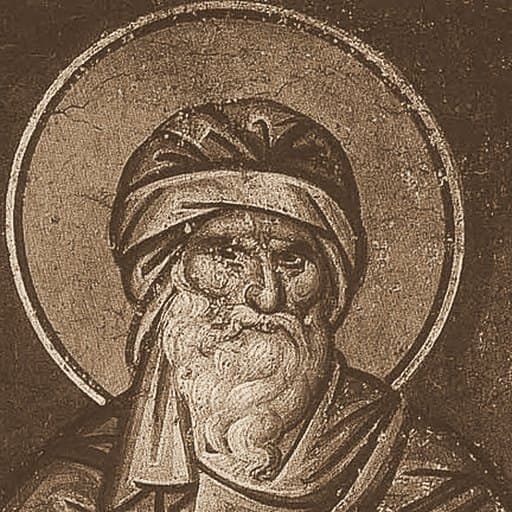
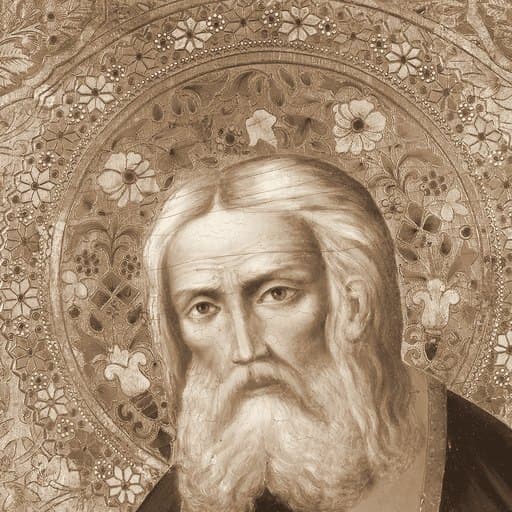
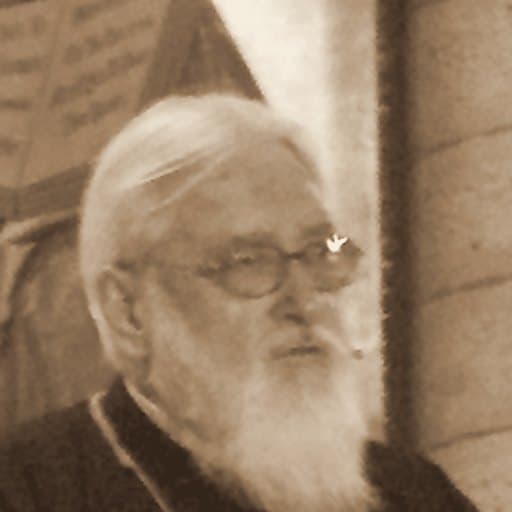
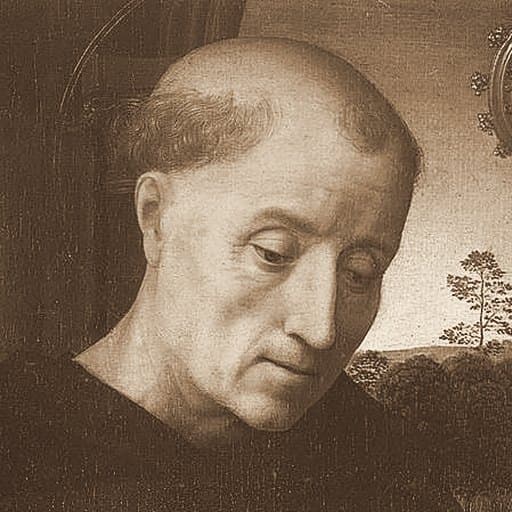
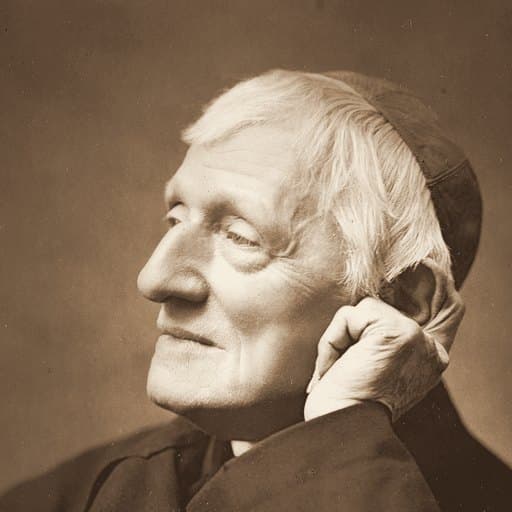
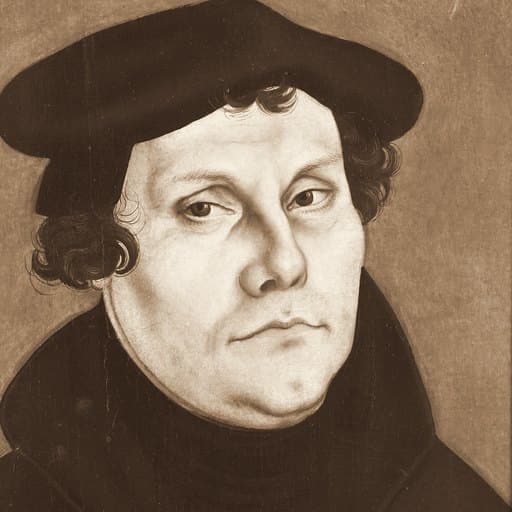
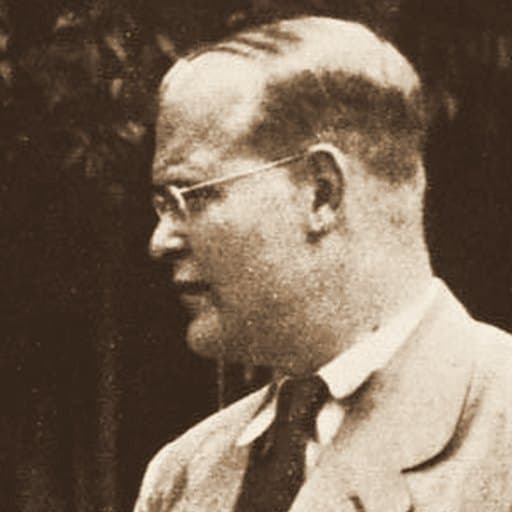
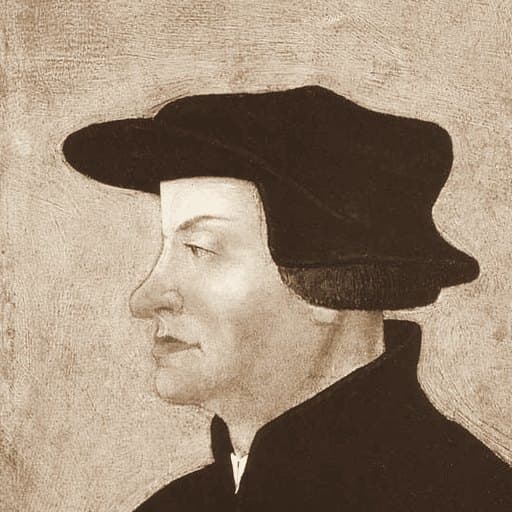
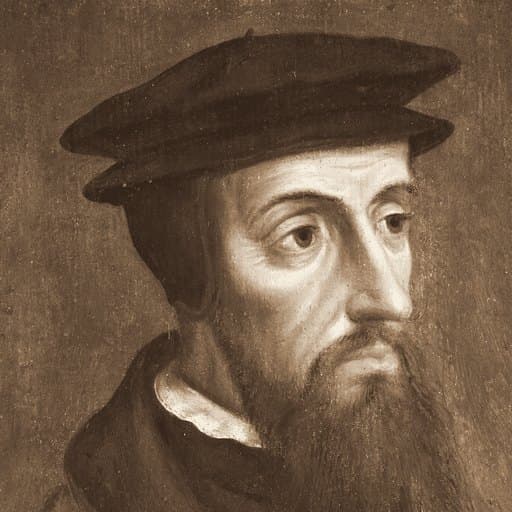
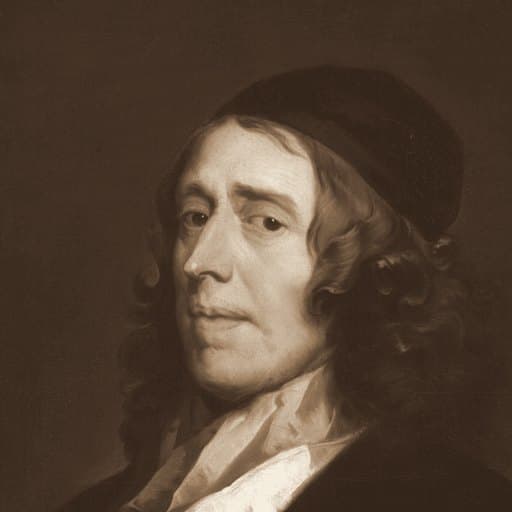
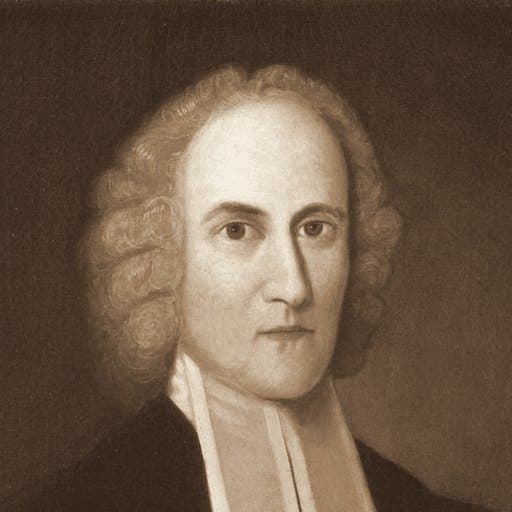
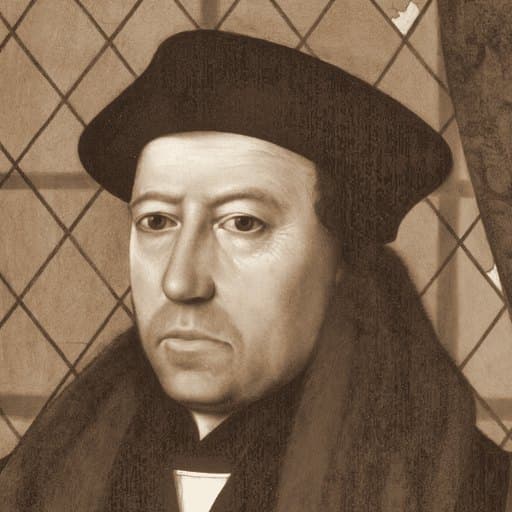
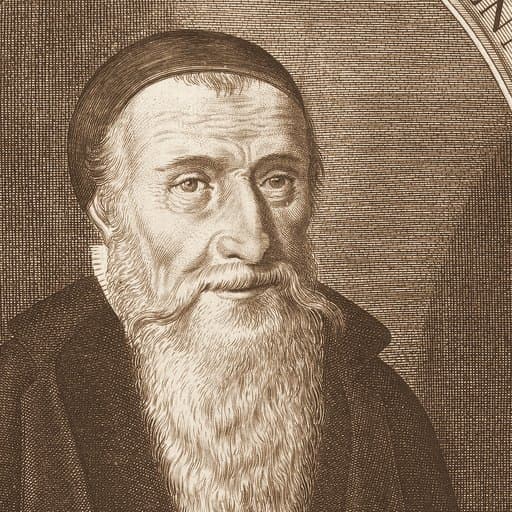
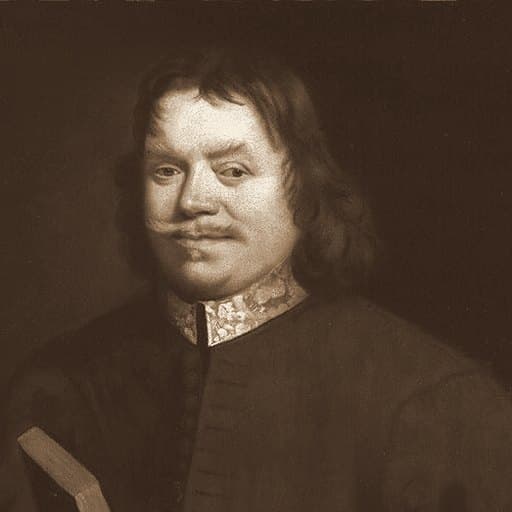
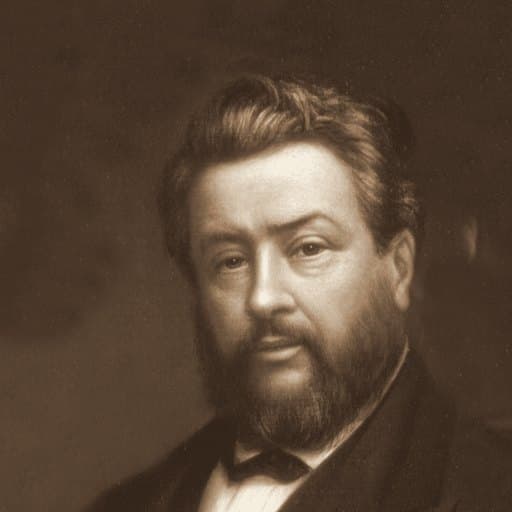
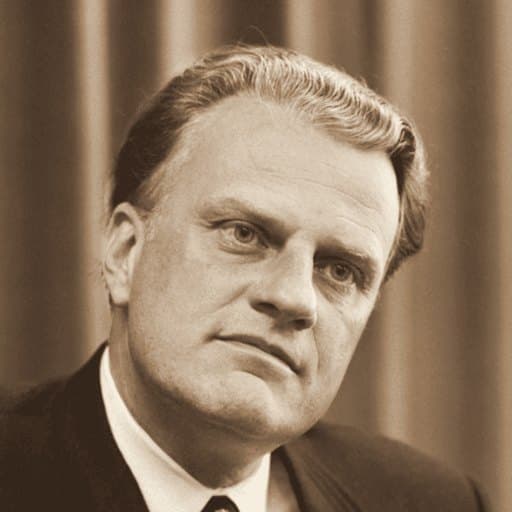
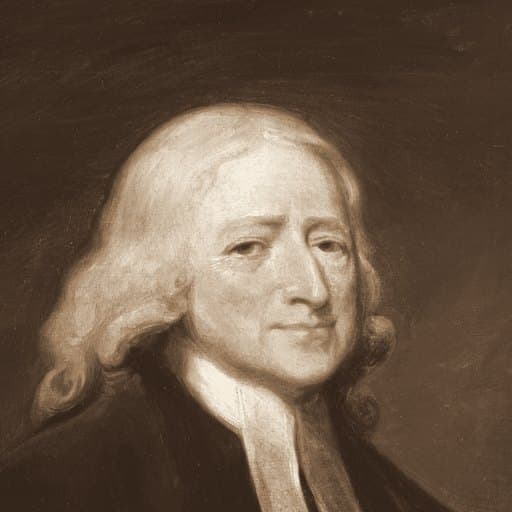
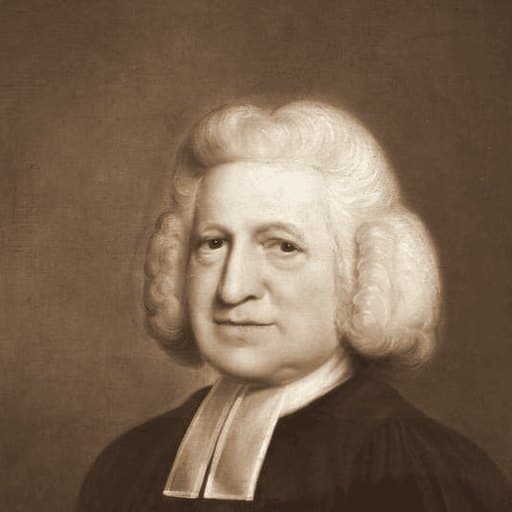
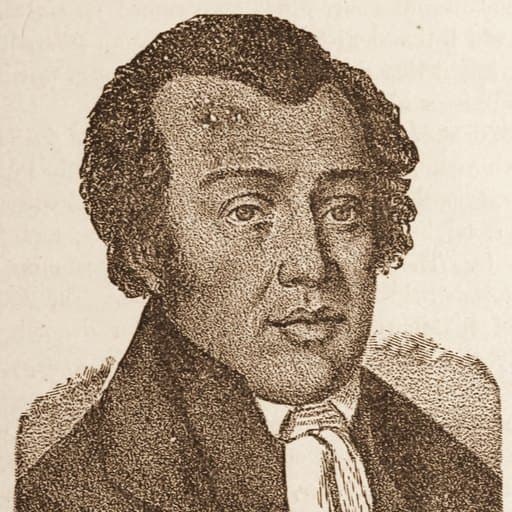
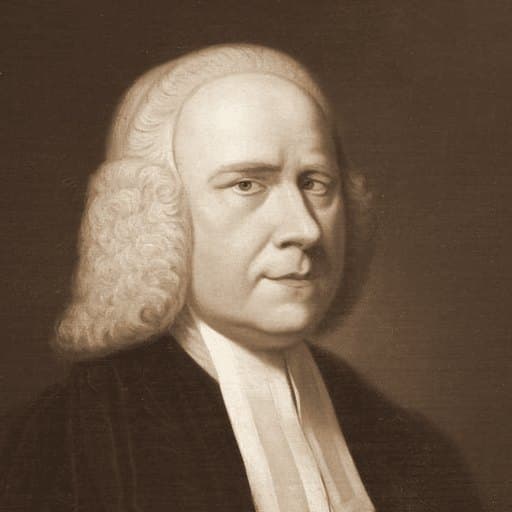
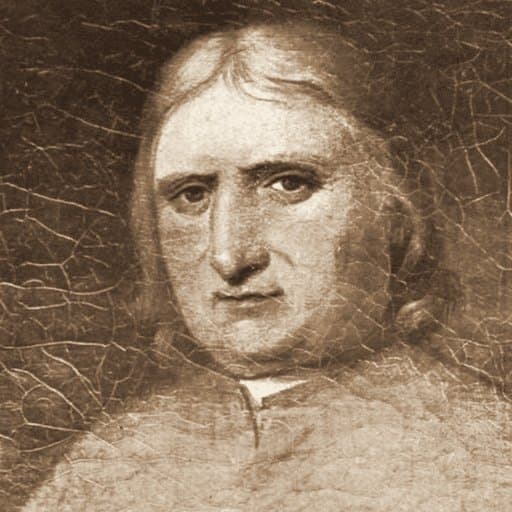
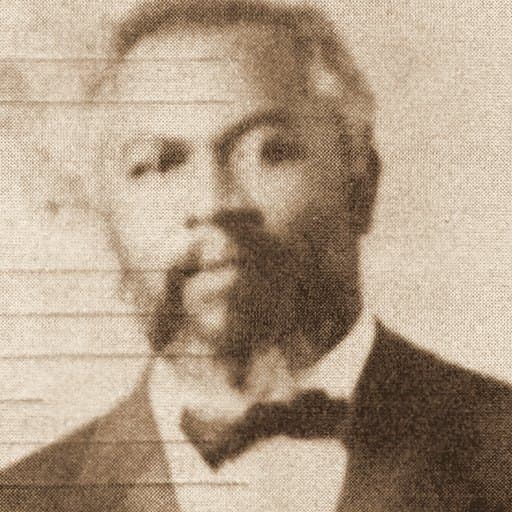
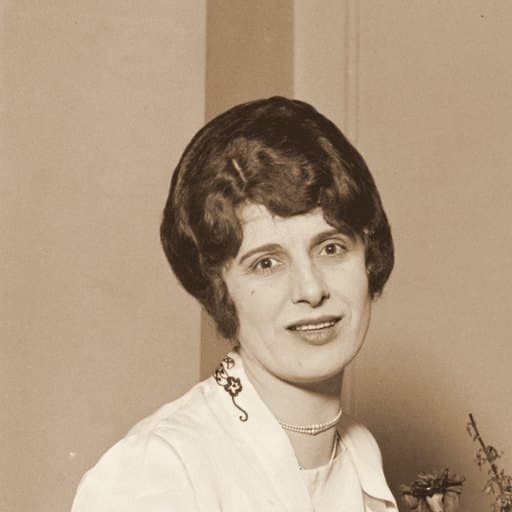
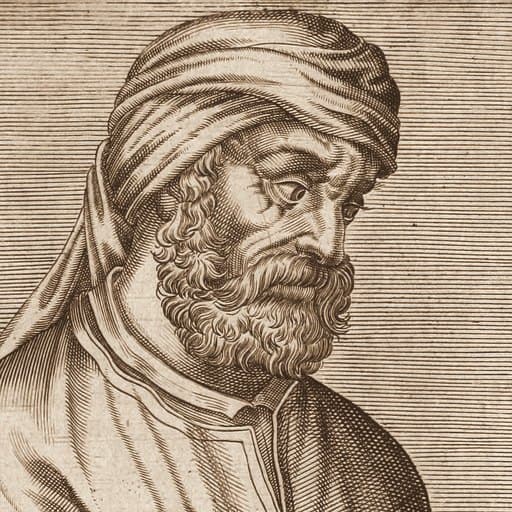
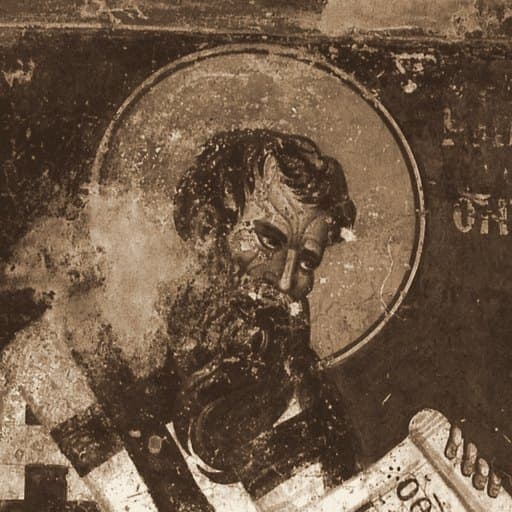
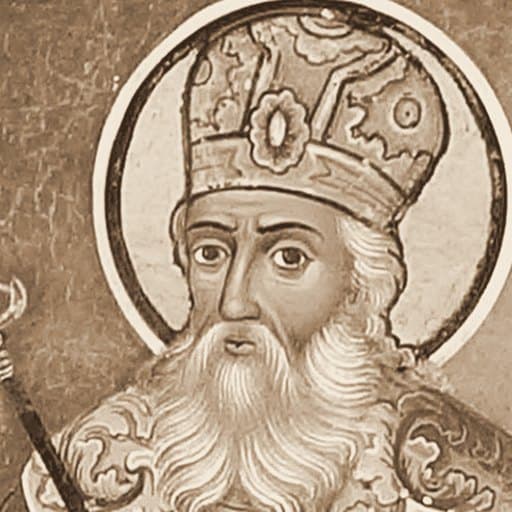
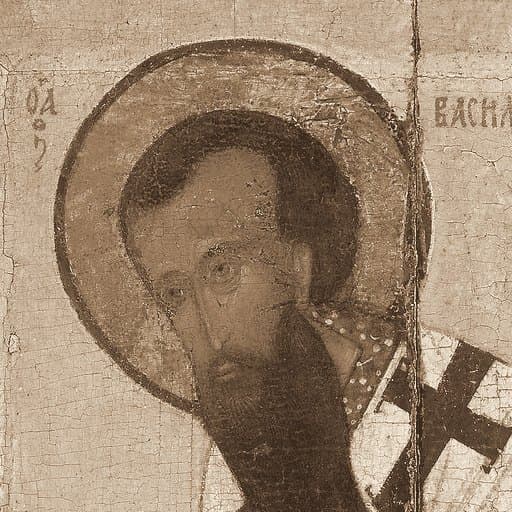
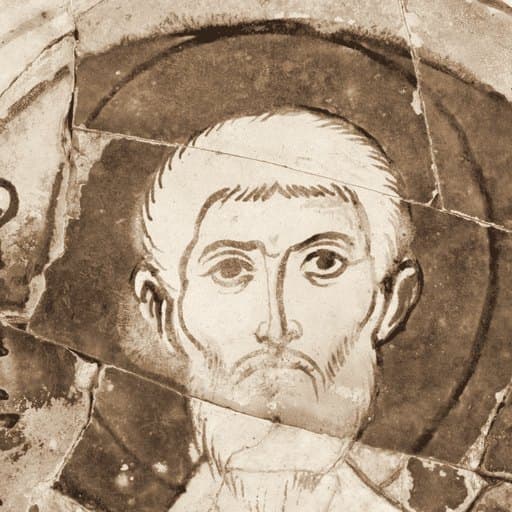
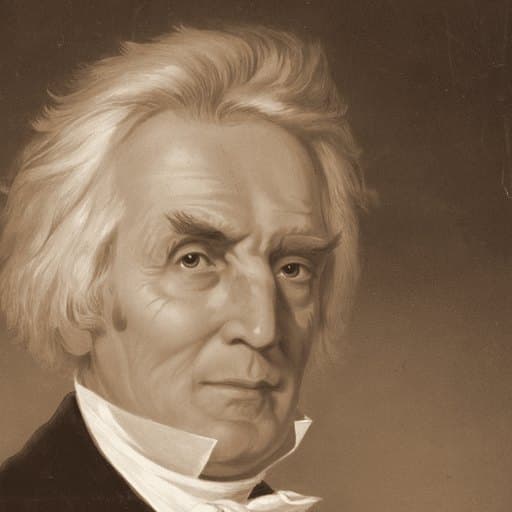
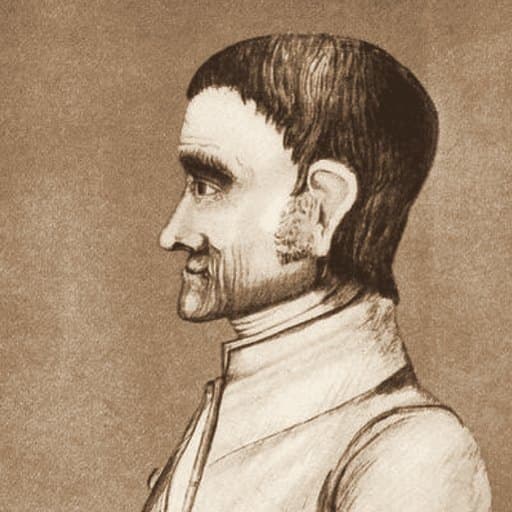
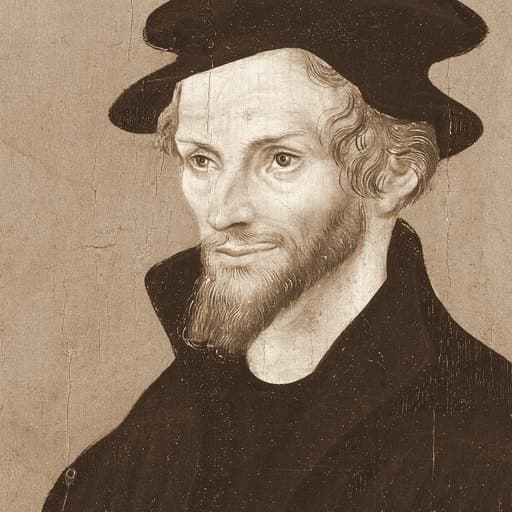
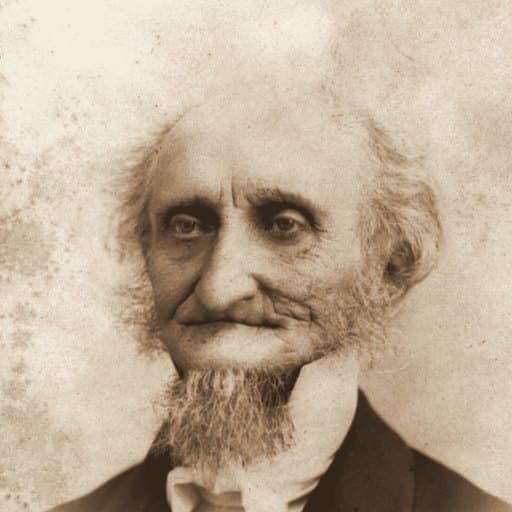
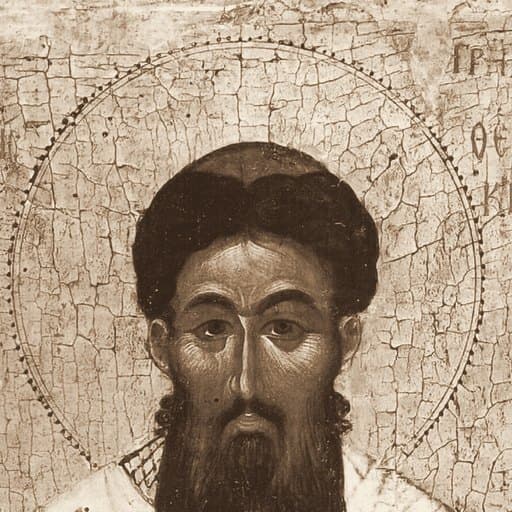
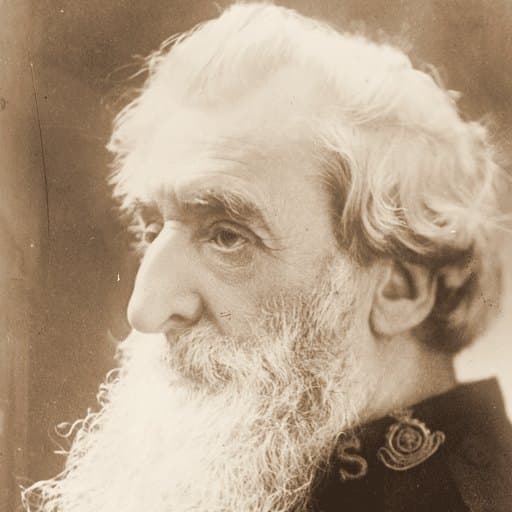
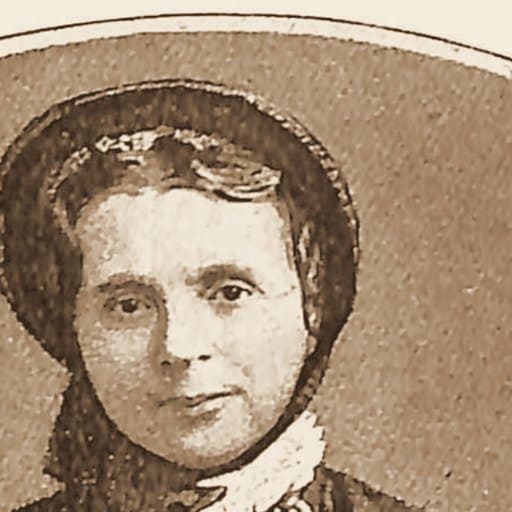
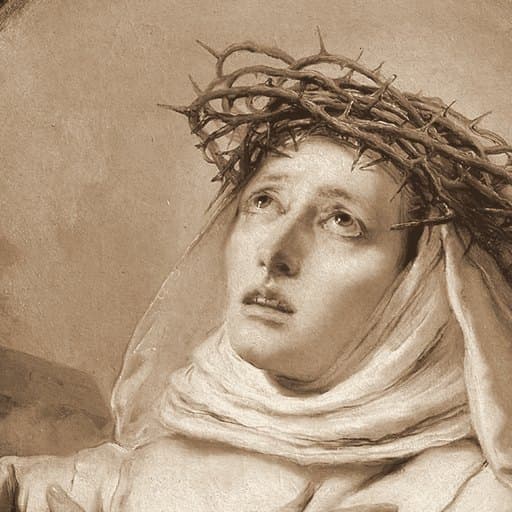
The portraits below were cropped, resized and tinted by Bearing Fruit. The Bonhoeffer and Kallistos Ware derivatives retain their share-alike licences. Including a portrait doesn’t mean that person endorses Bearing Fruit.
as depicted by RijksmuseumImage creditIrenaeus. Irenaeus: Rijksmuseum, 1698. CC0, via Wikimedia Commons (https://commons.wikimedia.org/wiki/File:H._Irene%C3%BCs_van_Lyon,_kerkvader,_RP-P-1896-A-19368-1262.jpg). Cropped and toned by Bearing Fruit. CC0. Source
as depicted by Unknown artistImage creditAthanasius of Alexandria. Athanasius of Alexandria: Unknown artist, End of 17 century. Public domain, via Wikimedia Commons (https://commons.wikimedia.org/wiki/File:Saint-Athanasius-of-Alexandria-icon-Sozopol-Bulgaria-17century.jpg). Cropped and toned by Bearing Fruit. Source
as depicted by Philippe de ChampaigneImage creditAugustine of Hippo. Augustine of Hippo: Philippe de Champaigne, between circa 1645 and circa 1650. Public domain, via Wikimedia Commons (https://commons.wikimedia.org/wiki/File:Saint_Augustine_by_Philippe_de_Champaigne.jpg). Cropped and toned by Bearing Fruit. Source
as depicted by Byzantine mosaicist (Hagia Sophia, Istanbul)Image creditJohn Chrysostom. John Chrysostom: Byzantine mosaicist (Hagia Sophia, Istanbul), late 9th century. Public domain, via Wikimedia Commons (https://commons.wikimedia.org/wiki/File:Byzantinischer_Mosaizist_des_9._Jahrhunderts_003.jpg). Cropped and toned by Bearing Fruit. Source
as depicted by Unknown artistImage creditJohn of Damascus. John of Damascus: Unknown artist, 14th-15th Century. Public domain, via Wikimedia Commons (https://commons.wikimedia.org/wiki/File:Athonite_Fresco_Icon_of_Saint_John_of_Damascus_2.jpg). Cropped and toned by Bearing Fruit. Source
as depicted by Anonymous Russian icon painterImage creditSeraphim of Sarov. Seraphim of Sarov: Anonymous Russian icon painter, after 1903. Public domain, via Wikimedia Commons (https://commons.wikimedia.org/wiki/File:Seraphim_of_Sarov_(after_1903,_priv.coll).jpg). Cropped and toned by Bearing Fruit. Source
Image creditKallistos Ware. Kallistos Ware, Oakland, CA, 2008. Photo by Narsil, CC BY-SA 3.0, via Wikimedia Commons. Cropped and toned by Bearing Fruit; this version is CC BY-SA 3.0. CC BY-SA 3.0. Source
as depicted by Hans MemlingImage creditBenedict of Nursia. Benedict of Nursia: Hans Memling, 1487. Public domain, via Wikimedia Commons (https://commons.wikimedia.org/wiki/File:Memling,_Trittico_di_Benedetto_Portinari,_San_Benedetto.jpg). Cropped and toned by Bearing Fruit. Source
as depicted by Unknown artist (fresco, Sacro Speco, Subiaco)Image creditFrancis of Assisi. Francis of Assisi: Unknown artist (fresco, Sacro Speco, Subiaco), 13th century. Public domain, via Wikimedia Commons (https://commons.wikimedia.org/wiki/File:StFrancis_part.jpg). Cropped and toned by Bearing Fruit. Source
Image creditThomas Aquinas. Thomas Aquinas: Carlo Crivelli, 1476. Public domain, via Wikimedia Commons (https://commons.wikimedia.org/wiki/File:St-thomas-aquinasFXD.jpg). Cropped and toned by Bearing Fruit. Source
Image creditIgnatius of Loyola. Ignatius of Loyola: Jacopino del Conte, circa 1556. Public domain, via Wikimedia Commons (https://commons.wikimedia.org/wiki/File:St._Ignatius_by_del_Conte.jpg). Cropped and toned by Bearing Fruit. Source
Image creditTeresa of Ávila. Teresa of Ávila: Juan de la Miseria, between May 1576 and June 1576. Public domain, via Wikimedia Commons (https://commons.wikimedia.org/wiki/File:Teresa_de_Jes%C3%BAs_(cropped).jpg). Cropped and toned by Bearing Fruit. Source
Image creditJohn Henry Newman. John Henry Newman: Herbert Rose Barraud, 1887. Public domain, via Wikimedia Commons (https://commons.wikimedia.org/wiki/File:John_Henry_Newman_1887_Portrait_Photograph_(3x4_cropped).jpg). Cropped and toned by Bearing Fruit. Source
Image creditMartin Luther. Martin Luther: Lucas Cranach the Elder, 1528. Public domain, via Wikimedia Commons (https://commons.wikimedia.org/wiki/File:Lucas_Cranach_d.%C3%84._-_Martin_Luther,_1528_(Veste_Coburg).jpg). Cropped and toned by Bearing Fruit. Source
Image creditDietrich Bonhoeffer. Dietrich Bonhoeffer, 1939. Bundesarchiv, Bild 146-1987-074-16 / CC-BY-SA 3.0 DE, via Wikimedia Commons. Cropped and toned by Bearing Fruit; this version is CC BY-SA 3.0 DE. CC BY-SA 3.0 DE. Source
Image creditHuldrych Zwingli. Huldrych Zwingli: Hans Asper, 1531. Public domain, via Wikimedia Commons (https://commons.wikimedia.org/wiki/File:Ulrich-Zwingli-1.jpg). Cropped and toned by Bearing Fruit. Source
Image creditJohn Calvin. John Calvin: Anonymous (France)Unknown artist, Circa 1550. Public domain, via Wikimedia Commons (https://commons.wikimedia.org/wiki/File:John_Calvin_Museum_Catharijneconvent_RMCC_s84_cropped.png). Cropped and toned by Bearing Fruit. Source
Image creditJohn Owen. John Owen: Attributed to John Greenhill, circa 1668. Public domain, via Wikimedia Commons (https://commons.wikimedia.org/wiki/File:John_Owen_by_John_Greenhill.jpg). Cropped and toned by Bearing Fruit. Source
Image creditJonathan Edwards. Jonathan Edwards: Henry Augustus Loop after Joseph Badger, 1860. Public domain, via Wikimedia Commons (https://commons.wikimedia.org/wiki/File:Jonathan_Edwards_(Princeton_Portrait).jpg). Cropped and toned by Bearing Fruit. Source
Image creditThomas Cranmer. Thomas Cranmer: Gerlach Flicke, 1545. Public domain, via Wikimedia Commons (https://commons.wikimedia.org/wiki/File:Thomas_Cranmer_by_Gerlach_Flicke.jpg). Cropped and toned by Bearing Fruit. Source
Image creditMenno Simons. Menno Simons: Rijksmuseum, ca. 1608 - ca. 1671. CC0, via Wikimedia Commons (https://commons.wikimedia.org/wiki/File:Portret_van_Menno_Simons,_RP-P-OB-7409.jpg). Cropped and toned by Bearing Fruit. CC0. Source
Image creditJohn Bunyan. John Bunyan: Thomas Sadler, 1684. Public domain, via Wikimedia Commons (https://commons.wikimedia.org/wiki/File:John_Bunyan_by_Thomas_Sadler_1684.jpg). Cropped and toned by Bearing Fruit. Source
Image creditCharles Spurgeon. Charles Spurgeon: Alexander Melville, 1885. Public domain, via Wikimedia Commons (https://commons.wikimedia.org/wiki/File:Charles_Haddon_Spurgeon_by_Alexander_Melville.jpg). Cropped and toned by Bearing Fruit. Source
Image creditBilly Graham. Billy Graham: Warren K. Leffler, 1966-04-11. Public domain, via Wikimedia Commons (https://commons.wikimedia.org/wiki/File:Billy_Graham_bw_photo,_April_11,_1966.jpg). Cropped and toned by Bearing Fruit. Source
Image creditJohn Wesley. John Wesley: After George Romney, after 1789. Public domain, via Wikimedia Commons (https://commons.wikimedia.org/wiki/File:John_Wesley_by_George_Romney.jpg). Cropped and toned by Bearing Fruit. Source
Image creditCharles Wesley. Charles Wesley: Unknown artist (18th-c. oil portrait), 18th century. Public domain, via Wikimedia Commons (https://commons.wikimedia.org/wiki/File:Charles_Wesley.jpg). Cropped and toned by Bearing Fruit. Source
Image creditRichard Allen. Richard Allen: Unknown artist, 1891-01-01. Public domain, via Wikimedia Commons (https://commons.wikimedia.org/wiki/File:Rev._Richard_Allen.png). Cropped and toned by Bearing Fruit. Source
Image creditGeorge Whitefield. George Whitefield: Robert Hunter, 1760. Public domain, via Wikimedia Commons (https://commons.wikimedia.org/wiki/File:Robert_Hunter_(c.1715-1720-c.1803)_(possibly)_-_Reverend_George_Whitefield_(1714%E2%80%931770),_MA_-_72_-_Mansfield_College.jpg). Cropped and toned by Bearing Fruit. Source
as depicted by attributed to Peter LelyImage creditGeorge Fox. George Fox: attributed to Peter Lely, 17th century. Public domain, via Wikimedia Commons (https://commons.wikimedia.org/wiki/File:Fox_by_Lely_2.jpg). Cropped and toned by Bearing Fruit. Source
Image creditWilliam J. Seymour. William J. Seymour: Unknown artist, 1910s. Public domain, via Wikimedia Commons (https://commons.wikimedia.org/wiki/File:William_Joseph_Seymour.jpg). Cropped and toned by Bearing Fruit. Source
Image creditAimee Semple McPherson. Aimee Semple McPherson: National Photo Company Collection, 1927. Public domain, via Wikimedia Commons (https://commons.wikimedia.org/wiki/File:Aimee_Semple_McPherson,_2-14-27_LCCN2016842737.jpg). Cropped and toned by Bearing Fruit. Source
as depicted by André ThevetImage creditTertullian. Tertullian: André Thevet, 1584. Public domain, via Wikimedia Commons (https://commons.wikimedia.org/wiki/File:Tertullian2.png). Cropped and toned by Bearing Fruit. Source
as depicted by Painters Michael and EphtichiusImage creditGregory of Nyssa. Gregory of Nyssa: Painters Michael and Ephtichius, 14th century AD. Public domain, via Wikimedia Commons (https://commons.wikimedia.org/wiki/File:Paintings_in_the_Church_of_the_Theotokos_Peribleptos_of_Ohrid_0130.jpg). Cropped and toned by Bearing Fruit. Source
as depicted by Dimitar Hristov and Zafir (fresco); photo Dennis G. JarvisImage creditGregory of Nazianzus. Gregory of Nazianzus: Dimitar Hristov and Zafir (fresco); photo Dennis G. Jarvis, 1843. Public domain, via Wikimedia Commons (https://commons.wikimedia.org/wiki/File:Rila_Mon._-_Fresco_mir._icon_019_Gregory_of_Nazianzus.jpg). Cropped and toned by Bearing Fruit. Source
as depicted by School of Novgorod schoolImage creditBasil the Great. Basil the Great: School of Novgorod school, 1400s. Public domain, via Wikimedia Commons (https://commons.wikimedia.org/wiki/File:Novgorod_School_-_Saint_Basil_the_Great_-_NG.M.01523_-_National_Museum_of_Art,_Architecture_and_Design.jpg). Cropped and toned by Bearing Fruit. Source
as depicted by Anonymous (Byzantine Empire)Unknown artistImage creditIgnatius of Antioch. Ignatius of Antioch: Anonymous (Byzantine Empire)Unknown artist, 10th century. Public domain, via Wikimedia Commons (https://commons.wikimedia.org/wiki/File:Byzantine_-_Saint_Ignatius_of_Antioch_-_Walters_4820867.jpg). Cropped and toned by Bearing Fruit. Source
Image creditAlexander Campbell. Alexander Campbell: Colton, Zahm & Roberts, N.Y., 1872-02-28. Public domain, via Wikimedia Commons (https://commons.wikimedia.org/wiki/File:Alexander_Campbell,_founder_of_the_Disciples_of_Christ,_head-and-shoulders_portrait.jpg). Cropped and toned by Bearing Fruit. Source
as depicted by Probably Robert Smith IIIImage creditJohn Woolman. John Woolman: Probably Robert Smith III, Unknown date. Public domain, via Wikimedia Commons (https://commons.wikimedia.org/wiki/File:John_Woolman.jpg). Cropped and toned by Bearing Fruit. Source
Image creditPhilip Melanchthon. Philip Melanchthon: Workshop of Lucas Cranach the Elder, 1543. Public domain, via Wikimedia Commons (https://commons.wikimedia.org/wiki/File:Portrait_of_Philipp_Melanchthon_(1497%E2%80%931560),_by_Lucas_Cranach_the_Elder_-_Gem%C3%A4ldegalerie_Alte_Meister,_Kassel.jpg). Cropped and toned by Bearing Fruit. Source
Image creditC. F. W. Walther. C. F. W. Walther: Unknown photographer (Library of Congress), 1881. Public domain, via Wikimedia Commons (https://commons.wikimedia.org/wiki/File:C._F._W._Walther_bust_portrait_LCCN2015652253.jpg). Cropped and toned by Bearing Fruit. Source
as depicted by UnknownImage creditGregory Palamas. Gregory Palamas: Unknown, 15th century. Public domain, via Wikimedia Commons (https://commons.wikimedia.org/wiki/File:%D0%93%D1%80%D0%B8%D0%B3%D0%BE%D1%80%D0%B8%D0%B9_%D0%9F%D0%B0%D0%BB%D0%B0%D0%BC%D0%B0_14%D0%B2.jpg). Cropped and toned by Bearing Fruit. Source
Image creditWilliam Booth. William Booth: Bain News Service, publisher, 1912-08-14. Public domain, via Wikimedia Commons (https://commons.wikimedia.org/wiki/File:William_Booth.jpg). Cropped and toned by Bearing Fruit. Source
Image creditCatherine Booth. Catherine Booth: Unknown artist, 1899. Public domain, via Wikimedia Commons (https://commons.wikimedia.org/wiki/File:Lefnadsteckning_%C3%B6fver_Catherine_Booth-006-Catherine_Booth.png). Cropped and toned by Bearing Fruit. Source
Image creditCatherine of Siena. Catherine of Siena: Giovanni Battista Tiepolo, 1746 (?). Public domain, via Wikimedia Commons (https://commons.wikimedia.org/wiki/File:Giovanni_Battista_Tiepolo_096.jpg). Cropped and toned by Bearing Fruit. Source
Image creditPhoebe Palmer. Phoebe Palmer: H.B. Hall & Sons, 1881. Public domain, via Wikimedia Commons (https://commons.wikimedia.org/wiki/File:Mrs._Phoebe_Palmer_(cropped).jpg). Cropped and toned by Bearing Fruit. Source