

Churches of Christ beliefs: what the Churches of Christ tradition teaches
Churches of Christ seek to restore the church of the New Testament, taking "the Bible as the only guide and creed for believers." They teach that people come to Christ by hearing the gospel, believing, repenting, confessing Him and being baptized, and each congregation is self-governing under its elders.
Worship: Unaccompanied congregational singing, prayer, Bible preaching and the Lord's Supper every Sunday.
This row describes a cappella Churches of Christ. The other two streams of the Stone-Campbell movement, the Christian Churches/Churches of Christ and the Christian Church (Disciples of Christ), aren't scored separately here.
Take the quizVisit a church
Churches of Christ (a cappella)
What to look for when you visit: Look for Jesus preached, the Bible read and taught, a statement of faith you can read, and a pastor you can talk to.
These are each tradition's own church directories. We don't review individual congregations.
Read more
- The Encyclopedia of the Stone-Campbell Movement — Douglas A. Foster and others
A reference work written largely by scholars from the movement's own churches, covering its history and teaching.
- Acts 2 (Berean Standard Bible) — Berean Standard BibleFree online
The first Christian sermon and baptisms, a chapter Churches of Christ often point to.
- Declaration and Address (1809) — Thomas Campbell
The founding call for Christian unity on the Bible alone that started the Restoration Movement.
Confessions and statements from Churches of Christ churches
Figures and practice companions
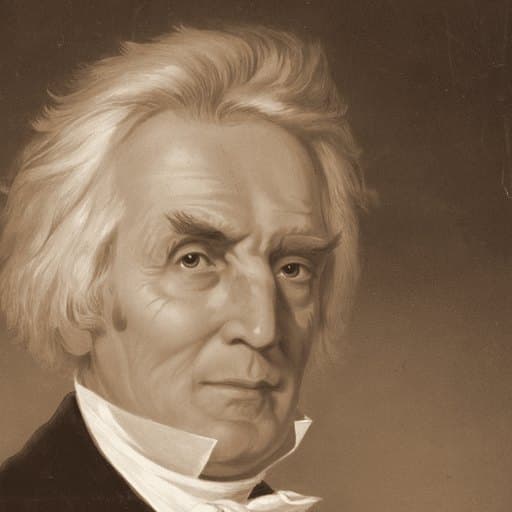
Image credit Alexander Campbell
1788–1866 · Restoration Movement (Churches of Christ, Disciples)
Scots-Irish preacher and Bethany College founder who, with Barton Stone, led the movement to restore New Testament Christianity.
Read: The Christian SystemBarton W. Stone
1772–1844 · Restoration Movement (Churches of Christ, Disciples)
Presbyterian minister who hosted the Cane Ridge revival (1801), signed the Last Will and Testament of the Springfield Presbytery (1804) and united his followers with Alexander Campbell's in 1832.
Read: The Last Will and Testament of the Springfield Presbytery
Practices associated with Churches of Christ churches
The Lord's Supper every Sunday
If your church shares the Lord's Supper weekly, come ready: read 1 Corinthians 11 the night before and examine yourself honestly. If it doesn't, keep each Sunday morning as a time to remember Christ's death and resurrection with thanks, and ask your pastor about the church's practice.
Breaking bread every Lord's Day, following Acts 20:7, was a mark of the 19th-century Restoration Movement. Alexander Campbell argued for it in The Christian System (1839).
Source: Alexander Campbell, The Christian System, Breaking the Loaf“If they met every first day, they broke the loaf every first day”
Compare Churches of Christ teaching by topic
Churches of Christ coverage: 11 of 31 questions. Review status and scoring
Churches of Christ (a cappella) · Based on 11 topics
Secondary sources: When Christians disagree about what to believe, which is closest to what you think should settle it? Which is closest to what you think about creeds and confessions (written summaries of what a church believes)? Which is closest to how you see the Bible's truthfulness? When God puts a sinner right with Himself, which is closest to what you think happens? Which is closest to how you think God usually gives people His saving grace? Which is closest to what you think about whom Christ died to save? Which is closest to how you think the church should be led? Which is closest to what you think about who may be ordained as a pastor or priest? Which is closest to what you think about who should be baptized? Which is closest to what you think happens in baptism? Which is closest to what you think about how baptism should be done? When the church shares the bread and cup, which is closest to what you think? Which is closest to what you think about how often a church should share the Lord's Supper? Which is closest to what you think Christ gave His church to keep as lasting rites? Which is closest to what you think about gifts like prophecy, tongues and healing today? Which is closest to what you think about Christ's return and the thousand years in Revelation 20? Which kind of service feels most like worship to you? Which music helps you worship most? Which is closest to what you think about Christians, war and oaths?
No official position scored: Which is closest to how you see the Bible's truthfulness? Which is closest to what you think about whom Christ died to save? Which is closest to what you think about God's choosing and our choice? Which is closest to what you think: can a true believer fall away and be lost? Which is closest to what you think about knowing where you stand with God? Which is closest to what you think about ordination in an unbroken line from the apostles? Which is closest to what you think about how baptism should be done? When the church shares the bread and cup, which is closest to what you think? Which is closest to what you think Christ gave His church to keep as lasting rites? Which is closest to what you think about gifts like prophecy, tongues and healing today? Which is closest to what you think about being baptized (or filled) with the Holy Spirit? When Christians pray for the sick, which is closest to what you think? Which is closest to what you think about Christ's return and the thousand years in Revelation 20? Which is closest to what you think happens to believers when they die, before the final resurrection? Which is closest to what you think about the saints in heaven? Which is closest to what you think about Mary, the mother of Jesus? How much should the church year shape worship? In worship, what do you most hope for? Which is closest to what you think about how God makes believers holy? Which is closest to what you think about Christians, war and oaths?
Read the positions and sources
Scripture and authority
When Christians disagree about what to believe, which is closest to what you think should settle it?
Teaches: “The Bible alone has the final word. Creeds, councils and teachers are all tested by it.”
Scored from secondary sources; an official position has not been verified.
Source: EBSCO Research Starters, "Churches of Christ" (2022), Beliefs / Organization“Instead, they rely fully on the New Testament, which they believe is the basis for the faith”
Which is closest to what you think about creeds and confessions (written summaries of what a church believes)?
Teaches: “We need no creed but the Bible. We speak where the Bible speaks and stay silent where it is silent.”
Scored from secondary sources; an official position has not been verified.
Source: EBSCO Research Starters, "Churches of Christ" (2022), Beliefs / Organization“The Churches of Christ do not follow a creed or any formal statement of church doctrine or belief.”
Which is closest to how you see the Bible's truthfulness?
Teaches: “The Bible is fully trustworthy in everything it teaches about God, salvation and how to live.”
Some hold: “The Bible is without error in everything it affirms, including what it says about history and the world.”
Not yet checked against the primary text, so the quiz doesn’t score this.
Scored from secondary sources; an official position has not been verified.
Source: Lipscomb University, What We Believe (Heritage, principle 3), A Commitment to the Centrality and Authority of the God-Inspired Scriptures“We embrace the full inspiration, truthfulness, and trustworthiness of Holy Scripture”
Salvation and grace
When God puts a sinner right with Himself, which is closest to what you think happens?
Teaches: “God forgives our sins when we believe, repent and are baptized, and from then on we walk in obedience to Him.”
Makes room for: “God forgives us and counts us righteous for Christ's sake, crediting His righteousness to us. We receive this by faith alone.”
Scored from secondary sources; an official position has not been verified.
Source: EBSCO Research Starters, "Churches of Christ" (2022), Beliefs / Organization“They believe baptism brings forgiveness of sins”
Which is closest to how you think God usually gives people His saving grace?
Teaches: “Through hearing the gospel, believing, repenting, confessing Christ and being baptized, as in the book of Acts.”
Scored from secondary sources; an official position has not been verified.
Source: EBSCO Research Starters, "Churches of Christ" (2022), Beliefs / Organization“They believe baptism brings forgiveness of sins and that infants are without sin. Other conditions for baptism include listening to the gospel and believing in Christ”
Which is closest to what you think about whom Christ died to save?
Teaches: “Christ died for every person, so that anyone who turns to Him can be saved.”
Not yet checked against the primary text, so the quiz doesn’t score this.
Scored from secondary sources; an official position has not been verified.
Source: Oklahoma Christian University, OC Mission Statement & Covenant (founded by members of churches of Christ), OC Covenant and Statement of Beliefs“who sent His son Jesus to the earth to provide the opportunity for salvation for all people”
Which is closest to what you think about God's choosing and our choice?
Teaches: “God's grace goes before everyone and frees us to respond. God chooses in Christ those He knows will believe.” or “God calls everyone and gives His grace first. We freely cooperate with it, and it never forces us.”
Not yet checked against the primary text, so the quiz doesn’t score this.
Which is closest to what you think: can a true believer fall away and be lost?
Teaches: “Yes. A believer can turn away from Christ and be lost, but while we live His grace keeps calling us back.”
Not yet checked against the primary text, so the quiz doesn’t score this.
Which is closest to what you think about knowing where you stand with God?
Teaches: “I trust God's mercy today and hope for heaven, as I keep holding to Christ to the end of my life.”
Some hold: “The Spirit gives an inner witness that I'm God's child, and I keep walking with Him so I don't drift away.”
Not yet checked against the primary text, so the quiz doesn’t score this.
Which is closest to what you think about how God makes believers holy?
Teaches: “Holiness grows over a whole lifetime. Sin remains in us until we die, though it no longer rules us.” or “Holiness is following Jesus in daily obedience, with a church that encourages and corrects us.”
Not yet checked against the primary text, so the quiz doesn’t score this.
The church
Which is closest to how you think the church should be led?
Teaches: “By each local congregation under Christ, with leaders such as pastors, elders or clerks, free from outside control.”
Scored from secondary sources; an official position has not been verified.
Source: Tennessee Encyclopedia (Tennessee Historical Society), "Churches of Christ", by Harold Hazelip, entry“Churches of Christ are completely autonomous, with no central governing authority.”
Which is closest to what you think about who may be ordained as a pastor or priest?
Teaches: “Only men may serve as pastors or elders, and women serve in many other vital ministries.”
Makes room for: “Both men and women may be called by God and ordained as pastors.”
Scored from secondary sources; an official position has not been verified.
Source: EBSCO Research Starters, "Churches of Christ" (2022), Beliefs / Organization“are each self-governed by a council of men who are elected from each congregation”
Which is closest to what you think about ordination in an unbroken line from the apostles?
Teaches: “Each congregation recognizes and calls its own leaders by their gifts. No outside line of ordination is needed.”
Not yet checked against the primary text, so the quiz doesn’t score this.
Which is closest to what you think about Christians, war and oaths?
Teaches: “Christians may serve in the military for a just cause and may take an oath when the law asks for one.” or “Christians should work for peace, and each believer may follow conscience about serving in the military.”
Makes room for: “Jesus' followers should not fight in war or use violence, and should give a plain yes or no instead of oaths.”
Not yet checked against the primary text, so the quiz doesn’t score this.
Scored from secondary sources; an official position has not been verified.
Source: Michael W. Casey, "The Ethics of War: Pacifism and Militarism in the American Restoration Movement," Leaven 7:4 (1999), Pepperdine University, section on after World War II and Conclusion“pacifism was relegated to status as an individual matter”
Baptism and the Lord’s Supper
Which is closest to what you think about who should be baptized?
Teaches: “Only people old enough to understand the gospel and confess faith in Christ for themselves.”
Scored from secondary sources; an official position has not been verified.
Source: Tennessee Encyclopedia (Tennessee Historical Society), "Churches of Christ", by Harold Hazelip, entry“they practice believer's baptism for the remission of sins as new converts are received into membership.”
Which is closest to what you think happens in baptism?
Teaches: “For a believer who repents, it's the moment God forgives sins, as Peter preached in Acts 2:38.”
Scored from secondary sources; an official position has not been verified.
Source: Tennessee Encyclopedia (Tennessee Historical Society), "Churches of Christ", by Harold Hazelip, entry“they practice believer's baptism for the remission of sins”
Which is closest to what you think about how baptism should be done?
Teaches: “By immersion only, going fully under the water, as a picture of burial and rising with Christ.”
Not yet checked against the primary text, so the quiz doesn’t score this.
Scored from secondary sources; an official position has not been verified.
Source: Douglas A. Foster (Abilene Christian University), "Churches of Christ and Baptism: An Historical and Theological Overview," Restoration Quarterly 43:2 (2001), Introduction“members of Churches of Christ have historically held (1) that scriptural baptism consists of the immersion of penitent believers”
When the church shares the bread and cup, which is closest to what you think?
Teaches: “We remember Christ's death, proclaim it and look for His return, with the bread and cup as signs.”
Some hold: “Christ is truly present by His Spirit, and believers feed on Him by faith, while the bread stays bread.”
Not yet checked against the primary text, so the quiz doesn’t score this.
Scored from secondary sources; an official position has not been verified.
Source: Gary Holloway, "Something Happens in the Supper," Leaven 3:3 (1995), Pepperdine University, opening pages“our present widespread view of the supper as just a symbol or just a memorial”
Which is closest to what you think about how often a church should share the Lord's Supper?
Teaches: “Every Sunday, because the first Christians broke bread on the first day of each week.”
Scored from secondary sources; an official position has not been verified.
Source: Tennessee Encyclopedia (Tennessee Historical Society), "Churches of Christ", by Harold Hazelip, entry“members administer the Lord's Supper each Sunday”
Which is closest to what you think Christ gave His church to keep as lasting rites?
Teaches: “Two ordinances, baptism and the Lord's Supper, kept in obedience as signs of the gospel.”
Not yet checked against the primary text, so the quiz doesn’t score this.
Scored from secondary sources; an official position has not been verified.
Source: John Mark Hicks (Lipscomb University), "Ordinance or Sacrament: Both/And Rather Than Either/Or," Leaven 22:4 (2014), Sacramental Language“The Stone-Campbell Movement has pervasively, with few exceptions, rejected sacramental terminology.”
The Holy Spirit’s gifts
Which is closest to what you think about gifts like prophecy, tongues and healing today?
Teaches: “The miraculous sign gifts were for the apostles' time and ended when Scripture was complete.”
Some hold: “They can still happen, but the church should test them with care, and they aren't the focus of church life.”
Not yet checked against the primary text, so the quiz doesn’t score this.
Scored from secondary sources; an official position has not been verified.
Source: James W. Thompson (Abilene Christian University), "The Holy Spirit in the Churches of Christ," Leaven 8:3 (2000), paragraph on Acts 8 and 1 Corinthians 12-14“a cessationist interpretation, according to which the miraculous gift ceased with the apostles”
Which is closest to what you think about being baptized (or filled) with the Holy Spirit?
Teaches: “Every believer receives the Spirit on coming to faith, and we can be filled again and again.”
Not yet checked against the primary text, so the quiz doesn’t score this.
When Christians pray for the sick, which is closest to what you think?
Teaches: “God heals as He wills, usually through ordinary means. We pray, but we don't expect miracles as a pattern.”
Makes room for: “God heals, sometimes by miracle and often through medicine. We pray, use both and trust His will.”
Not yet checked against the primary text, so the quiz doesn’t score this.
Mary and the saints
Which is closest to what you think about the saints in heaven?
Teaches: “Every believer, living or dead, is a saint. We remember faithful Christians without special honor for some.”
Makes room for: “We thank God for the saints and follow their example, but we pray to God alone.”
Not yet checked against the primary text, so the quiz doesn’t score this.
Which is closest to what you think about Mary, the mother of Jesus?
Teaches: “She was a godly woman God chose to bear Jesus, and an example of faith like other believers.”
Not yet checked against the primary text, so the quiz doesn’t score this.
Last things
Which is closest to what you think about Christ's return and the thousand years in Revelation 20?
Teaches: “The thousand years is the present age of Christ's reign. He will return once, to raise the dead and judge.”
Some hold: “After a time of great trouble, Christ will return and reign on earth for a thousand years before the final judgment.” or “Christ will return in glory to judge the living and the dead, and I don't think we need a timeline.”
Not yet checked against the primary text, so the quiz doesn’t score this.
Scored from secondary sources; an official position has not been verified.
Source: Dan G. Danner, "The Millennium in the Restoration Movement: A Brief Historical Portrait," Leaven 7:4 (1999), Pepperdine University, section 'Amillennialism from 1922 to the Present'“Although premillennial views would continue up through the current time, the Restoration tradition seemed to settle into amillennialism.”
Which is closest to what you think happens to believers when they die, before the final resurrection?
Teaches: “They go straight to be with Christ, fully forgiven, and wait for the resurrection of the body.”
Not yet checked against the primary text, so the quiz doesn’t score this.
Worship
Which kind of service feels most like worship to you?
Teaches: “A plain service of psalms or hymns, prayer and careful Bible preaching, ordered by what Scripture commands.”
Some hold: “A long time of singing, then preaching, with freedom for spontaneous prayer and response.”
Scored from secondary sources; an official position has not been verified.
Source: EBSCO Research Starters, "Churches of Christ" (2022), Beliefs / Organization“if a practice is in the New Testament, it is part of the Churches of Christ's practice”
Which music helps you worship most?
Teaches: “Voices alone, singing hymns and psalms together in harmony.”
Scored from secondary sources; an official position has not been verified.
Source: Tennessee Encyclopedia (Tennessee Historical Society), "Churches of Christ", by Harold Hazelip, entry“Congregations use strictly a cappella music”
How much should the church year shape worship?
Teaches: “Every Lord's Day is the feast, and we don't keep other holy days.”
Makes room for: “A little. We mark Christmas and Easter and plan the rest around preaching series.”
Not yet checked against the primary text, so the quiz doesn’t score this.
In worship, what do you most hope for?
Teaches: “Clear preaching of God's Word that teaches and convicts, with heartfelt singing.”
Some hold: “A close church family sharing life, singing together and caring for one another.”
Not yet checked against the primary text, so the quiz doesn’t score this.