
Eastern Orthodox beliefs: what the Eastern Orthodox tradition teaches
The Orthodox Church holds that it has kept the faith of the apostles and the seven Ecumenical Councils unchanged, as one communion of self-governing churches united in faith and sacraments. Salvation is healing and union with God, theosis, by grace through life in the Church. Scripture, read within Holy Tradition, is received as the Spirit's living voice in the Church.
Worship: The Divine Liturgy, sung or chanted every Sunday, with icons, incense and the full cycle of feasts and fasts.
Oriental Orthodox churches (Coptic, Ethiopian, Eritrean, Armenian, Syriac and Malankara Orthodox) match the Eastern Orthodox on nearly every question here: Tradition, seven mysteries, infant baptism with chrismation, the real change in the Eucharist, prayers to the saints and for the departed, bishops in succession and a male priesthood. They differ chiefly in not accepting the Council of Chalcedon (451), confessing Christ's one united divine-human nature (miaphysitism), which this quiz does not score. Someone close to Eastern Orthodoxy here would likely answer much like them on these questions, though the two families aren't in full communion with each other. This coding rests on Eastern Orthodox sources and has not been checked separately for the Oriental Orthodox churches.
Take the quizVisit a church
Eastern Orthodox Church
Greek Orthodox Archdiocese parish directoryBehind a bot check for automated tools; known official GOARCH parish directory.
These are each tradition's own church directories. We don't review individual congregations.
Read more
- The Orthodox Faith — Thomas Hopko (Orthodox Church in America)Free online
Fr. Thomas Hopko's four-volume handbook on doctrine, worship, Scripture, and spirituality, free on the OCA's site.
- The Orthodox Church — Kallistos Ware
The book most people read first when they get curious about Orthodoxy.
- Our Faith — Greek Orthodox Archdiocese of AmericaFree online
Short articles on Orthodox belief and worship, written for people who are new to it.
Confessions and statements from Eastern Orthodox churches
Figures and practice companions
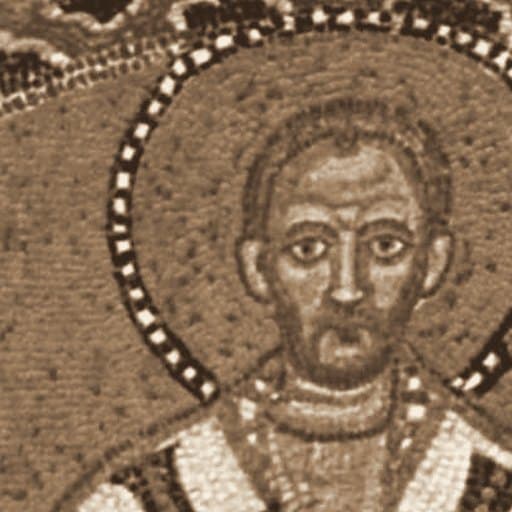
as depicted by Byzantine mosaicist (Hagia Sophia, Istanbul)Image credit John Chrysostom
c. 347–407 · Early church (Antioch and Constantinople)
Archbishop of Constantinople, called "golden-mouthed" for his preaching through whole books of the Bible.
Read: On the Priesthood (Nicene and Post-Nicene Fathers, series 1, vol. 9)Free onlineWorth knowing: His eight homilies Against the Jews are harshly anti-Jewish and were later used to justify hostility to Jews.
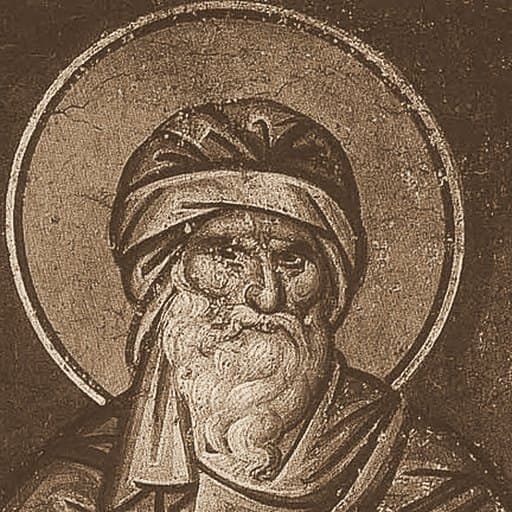
as depicted by Unknown artistImage credit John of Damascus
c. 675–749 · Eastern church (Syria)
Monk near Jerusalem under Umayyad rule who summed up the Greek Fathers and defended icons.
Read: An Exact Exposition of the Orthodox Faith (Nicene and Post-Nicene Fathers, series 2, vol. 9)Free online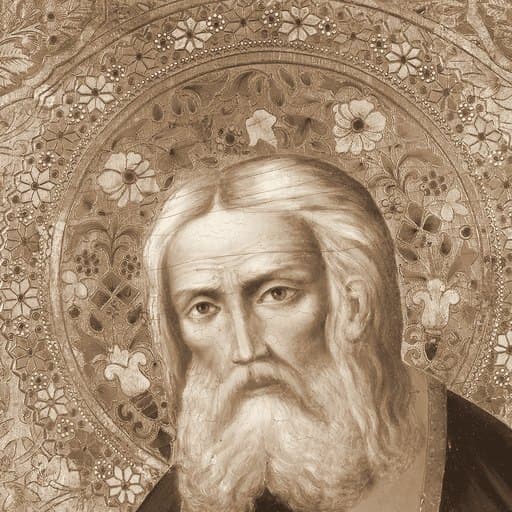
as depicted by Anonymous Russian icon painterImage credit Seraphim of Sarov
1754–1833 · Eastern Orthodox (Russia)
Russian monk and spiritual father, canonized in 1903, known for his conversation with Motovilov on acquiring the Holy Spirit.
Read: On the Acquisition of the Holy Spirit (Conversation with Motovilov)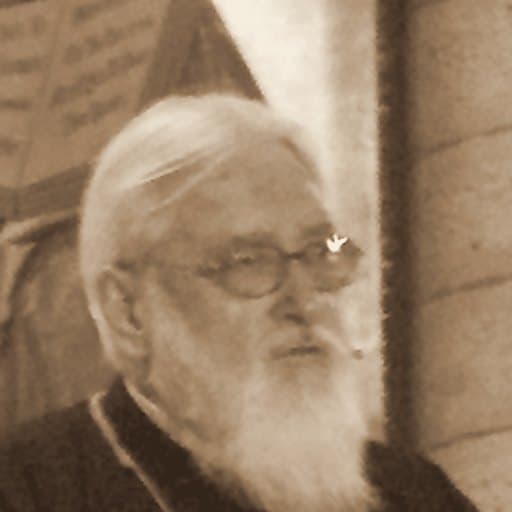
Image credit Kallistos Ware
1934–2022 · Eastern Orthodox (England)
English convert to Orthodoxy, bishop and Oxford lecturer whose The Orthodox Church introduced Orthodoxy to many English readers. He wrote of a hope that all may be saved.
Read: The Orthodox Church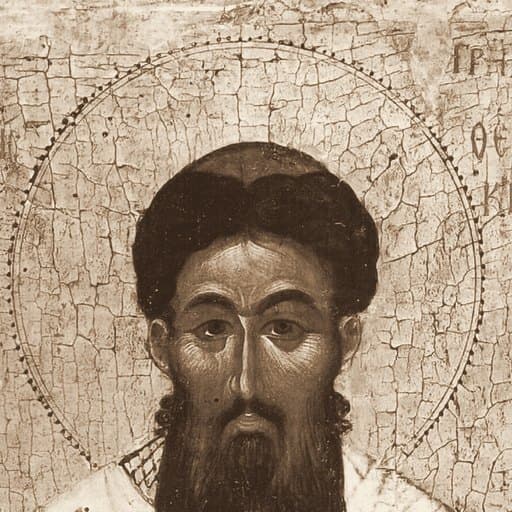
as depicted by UnknownImage credit Gregory Palamas
1296–1359 · Eastern Orthodox (Byzantium)
Athonite monk and Archbishop of Thessalonica who defended hesychast prayer and taught that believers truly share in God's uncreated energies.
Read: The Triads
Practices associated with Eastern Orthodox churches
The Jesus Prayer
Sit quietly and pray, slowly and often: "Lord Jesus Christ, Son of God, have mercy on me." Let the words carry your attention back to Him whenever it wanders. Bearing Fruit's Breath Prayer is a modern, simpler form drawn from this prayer, pairing a short line from Scripture with your breathing.
A short prayer of the Eastern monastic (hesychast) tradition, "Lord Jesus Christ, Son of God, have mercy on me." Its writers were gathered in the Philokalia by Nicodemus of the Holy Mountain and Makarios of Corinth, first published at Venice in 1782.
Source: OrthodoxWiki, "Philokalia"“The first edition was published at Venice in 1782”
About Breath PrayerWednesday and Friday fasts
Choose one day this week, Wednesday or Friday, and fast in a simple way: skip a meal, or go without meat or another comfort. When you feel the hunger, turn it into prayer and remember Jesus, who gave Himself for us. Check with a doctor first if you have a health condition.
The Didache, a church manual from about AD 100, tells Christians to fast on Wednesday and Friday. The Orthodox Church keeps these fast days today.
Source: Didache, ch. 8“but fast on the fourth day and the Preparation (Friday)”
About FastingCompare Eastern Orthodox teaching by topic
Eastern Orthodox coverage: 29 of 31 questions. Review status and scoring
Eastern Orthodox Church · 29 topics available
No official position scored: Which is closest to what you think about knowing where you stand with God? Which is closest to what you think about Christ's return and the thousand years in Revelation 20?
Read the positions and sources
Scripture and authority
When Christians disagree about what to believe, which is closest to what you think should settle it?
Teaches: “Scripture as the highest part of the church's Holy Tradition, read as the councils and the Fathers received it.”
Source: The Orthodox Faith (Hopko), Orthodox Church in America, Vol. I, Sources of Christian Doctrine: Tradition“Among the elements which make up the Holy Tradition of the Church, the Bible holds the first place.”
Which is closest to what you think about creeds and confessions (written summaries of what a church believes)?
Teaches: “The creeds and the church's councils set out teaching that is settled for good and can't be revised.”
Source: The Orthodox Faith (Hopko), Orthodox Church in America, Vol. I, Sources of Christian Doctrine: The Councils“The dogmatic definitions (dogma means official teaching) and the canon laws of the ecumenical councils are understood to be inspired by God and to be expressive of His will for men.”
Which is closest to how you see the Bible's truthfulness?
Teaches: “The Bible is fully trustworthy in everything it teaches about God, salvation and how to live.”
Some hold: “The Bible is God's word through human writers. It tells the truth about Christ, and careful scholarship helps us read it.”
Makes room for: “The Bible is without error in everything it affirms, including what it says about history and the world.”
Source: The Orthodox Faith (Hopko), Orthodox Church in America, Vol. I, The Bible: Word of God“There may be incidental inaccuracies of a non-essential character in the Bible.”
Salvation and grace
When God puts a sinner right with Himself, which is closest to what you think happens?
Teaches: “God heals us and draws us into His own life, so that by grace we come to share in His nature.”
Some hold: “God forgives us and makes us truly righteous within by His grace, which grows as faith works through love.”
Makes room for: “God forgives our sins when we believe, repent and are baptized, and from then on we walk in obedience to Him.” or “God brings us into a right relationship with Him, and that new life means following Jesus every day with His people.”
Source: The Orthodox Faith (Hopko), Orthodox Church in America, Vol. I, The Holy Trinity in Christian Life“the “deification” of man by the grace of God, the so-called theosis”
Which is closest to how you think God usually gives people His saving grace?
Teaches: “Mainly through the sacraments of the church, starting with baptism, received with faith.”
Makes room for: “Through His Word preached and the sacraments, which the Holy Spirit uses to create and strengthen faith.”
Source: The Orthodox Faith (Hopko), Orthodox Church in America, Vol. II, The Sacraments“And so in Christ and the Holy Spirit everything in the Church becomes a sacrament”
Which is closest to what you think about whom Christ died to save?
Teaches: “Christ died for every person, so that anyone who turns to Him can be saved.”
Makes room for: “Christ's death will in the end bring every person back to God.”
Source: Confession of Dositheus (Synod of Jerusalem, 1672), Decree 3“he equally willeth the salvation of all”
Which is closest to what you think about God's choosing and our choice?
Teaches: “God's grace goes before everyone and frees us to respond. God chooses in Christ those He knows will believe.” or “God calls everyone and gives His grace first. We freely cooperate with it, and it never forces us.”
Source: Confession of Dositheus (Synod of Jerusalem, 1672), Decree 3“for it is of use only to the willing, not to the unwilling”
Which is closest to what you think: can a true believer fall away and be lost?
Teaches: “Yes. A believer can turn away from Christ and be lost, but while we live His grace keeps calling us back.” or “Yes. Grace can be lost through serious sin, and God restores it through repentance and confession.”
Source: The Orthodox Faith (Hopko), Orthodox Church in America, Vol. II, The Sacraments: Penance“The sacrament of penance exists in the Church to allow for the repentance and reconversion of Christians who have fallen away from the life of faith.”
Which is closest to what you think about knowing where you stand with God?
Teaches: “I trust God's mercy today and hope for heaven, as I keep holding to Christ to the end of my life.”
Not yet checked against the primary text, so the quiz doesn’t score this.
Source: The Orthodox Faith (Hopko), Orthodox Church in America, Vol. IV, The Virtues: Hope“Hope is the assurance of the good outcome of our lives lived by faith in God.”
Which is closest to what you think about how God makes believers holy?
Teaches: “God makes us holy through prayer, repentance and the sacraments as we grow toward union with Him.”
Makes room for: “God calls us to perfect love in this life. We press on toward it, and for most of us it's a lifelong path.” or “Holiness grows over a whole lifetime. Sin remains in us until we die, though it no longer rules us.” or “Holiness is following Jesus in daily obedience, with a church that encourages and corrects us.”
Source: The Orthodox Faith (Hopko), Orthodox Church in America, Vol. I, The Holy Trinity in Christian Life“the essence of Christianity is “the acquisition of the Holy Spirit” and the “deification” of man by the grace of God”
The church
Which is closest to how you think the church should be led?
Teaches: “By bishops in succession from the apostles, in self-governing churches united in faith, with no single head on earth.”
Source: The Orthodox Faith (Hopko), Orthodox Church in America, Vol. II, The Sacraments: Holy Orders“Each of the bishops has exactly the same service to perform. No bishop is “over any other bishop in the Church””
Which is closest to what you think about who may be ordained as a pastor or priest?
Teaches: “Only men may be ordained as priests and bishops, following Christ's choice of twelve men as apostles.”
Source: Orthodox Church in America, Questions & Answers, Ordination of Women“the Orthodox Church precludes the ordination of women to the priesthood and episcopacy”
Which is closest to what you think about ordination in an unbroken line from the apostles?
Teaches: “It's necessary, together with the apostles' faith kept whole. Without bishops in that line who hold that faith, there is no valid priesthood and the Eucharist is not kept in its fullness.”
Source: Confession of Dositheus (Synod of Jerusalem, 1672), Decree 10“That the dignity of the Bishop is so necessary in the Church, that without him, neither Church nor Christian could either be or be spoken of.”
Which is closest to what you think about Christians, war and oaths?
Teaches: “Christians may serve in the military for a just cause and may take an oath when the law asks for one.”
Some hold: “Christians should work for peace, and each believer may follow conscience about serving in the military.”
Makes room for: “Christians should not fight in war or use violence, but taking an oath in court is fine.”
Source: Russian Orthodox Church, The Basis of the Social Concept (2000), VIII.2“While recognising war as evil, the Church does not prohibit her children from participating in hostilities if at stake is the security of their neighbours and the restoration of trampled justice.”
Baptism and the Lord’s Supper
Which is closest to what you think about who should be baptized?
Teaches: “Believers and their children. Babies of Christian families should be baptized and raised in the faith.”
Source: Confession of Dositheus (Synod of Jerusalem, 1672), Decree 16“so that even infants ought, of necessity, to be baptised”
Which is closest to what you think happens in baptism?
Teaches: “God truly washes away sin and gives new birth in baptism, joining the person to Christ.”
Source: The Orthodox Faith (Hopko), Orthodox Church in America, Vol. II, The Sacraments: Baptism“It is a “new birth by water and the Holy Spirit” into the Kingdom of God”
Which is closest to what you think about how baptism should be done?
Teaches: “By immersing three times, in the name of the Father, and of the Son, and of the Holy Spirit.”
Makes room for: “By immersion only, going fully under the water, as a picture of burial and rising with Christ.”
Source: The Orthodox Faith (Hopko), Orthodox Church in America, Vol. II, The Sacraments: Baptism“the person is immersed three times in the water in the name of the Father, the Son and the Holy Spirit”
When the church shares the bread and cup, which is closest to what you think?
Teaches: “The bread and wine truly become Christ's body and blood. How this happens is a holy mystery we don't define.”
Some hold: “The bread and wine become Christ's body and blood in their very substance, while still looking like bread and wine.”
Source: Confession of Dositheus (Synod of Jerusalem, 1672), Decree 17“by the word “transubstantiation” the manner is not explained, by which the bread and wine are changed into the Body and Blood of the Lord”
Which is closest to what you think about how often a church should share the Lord's Supper?
Teaches: “Every Sunday, as the high point of worship, and on many other days too.”
Makes room for: “Every Sunday, because the first Christians broke bread on the first day of each week.”
Source: The Orthodox Faith (Hopko), Orthodox Church in America, Vol. II, The Sacraments: Holy Eucharist“The eucharistic liturgy is celebrated in the Church every Sunday, the Day of the Lord, as well as on feast days.”
Which is closest to what you think Christ gave His church to keep as lasting rites?
Teaches: “Seven sacraments: baptism, confirmation or chrismation, the Eucharist, confession, anointing of the sick, ordination and marriage.”
Source: The Orthodox Faith (Hopko), Orthodox Church in America, Vol. II, The Sacraments“Usually seven sacraments are counted: baptism, chrismation (or confirmation), holy eucharist, penance, matrimony, holy orders and the unction of the sick.”
The Holy Spirit’s gifts
Which is closest to what you think about gifts like prophecy, tongues and healing today?
Teaches: “They can still happen, but the church should test them with care, and they aren't the focus of church life.”
Some hold: “The Spirit gives gifts to every believer for building up the church, and I don't sort them into kinds.”
Source: The Orthodox Faith (Hopko), OCA, Vol. III, History: Answers and Reflections, Twentieth-century movements, reflection on Pentecostalism“The Orthodox perspective on speaking in tongues, or glossolalia, is that while it is not ruled out as a gift of the Holy Spirit, it is also not considered one of the more important gifts.”
Which is closest to what you think about being baptized (or filled) with the Holy Spirit?
Teaches: “The Spirit is given through God's Word and baptism, sealed in some churches by anointing or the laying on of hands (at baptism itself in Orthodox and Eastern Catholic churches, later in Western confirmation).”
Source: The Orthodox Faith (Hopko), Orthodox Church in America, Vol. II, The Sacraments: Chrismation“In the sacrament of Chrismation we receive “the seal of the gift of the Holy Spirit””
When Christians pray for the sick, which is closest to what you think?
Teaches: “The church anoints the sick in a sacrament that gives grace for body and soul, and sometimes healing.”
Some hold: “God heals, sometimes by miracle and often through medicine. We pray, use both and trust His will.”
Source: The Orthodox Faith (Hopko), Orthodox Church in America, Vol. II, The Sacraments: Holy Unction“The sacrament of the unction of the sick is the Church’s specific prayer for healing.”
Mary and the saints
Which is closest to what you think about the saints in heaven?
Teaches: “We may ask Mary and the saints to pray for us, honoring them while worshiping God alone.”
Source: The Orthodox Faith (Hopko), Orthodox Church in America, Vol. II, The Daily Cycles of Prayer: Prayer“In the Church we also pray to the saints—not in the same way as we pray to the Persons of the Holy Trinity, but as our helpers, intercessors, and fellow-members of the Church”
Which is closest to what you think about Mary, the mother of Jesus?
Teaches: “She stayed ever-virgin and was taken to her Son when she fell asleep. We honor her above all the saints and ask her prayers.”
Makes room for: “She is blessed among women. We honor her as a model of faith, without the later dogmas of her Immaculate Conception and Assumption.”
Source: The Orthodox Faith (Hopko), Orthodox Church in America, Vol. II, The Church Year: Dormition of the Theotokos“This feast, which is also sometimes called the Assumption, commemorates the death, resurrection and glorification of Christ’s mother.”
Last things
Which is closest to what you think about Christ's return and the thousand years in Revelation 20?
Teaches: “The thousand years is the present age of Christ's reign. He will return once, to raise the dead and judge.” or “Christ will return in glory to judge the living and the dead, and I don't think we need a timeline.”
Not yet checked against the primary text, so the quiz doesn’t score this.
Which is closest to what you think happens to believers when they die, before the final resurrection?
Teaches: “They rest in Christ, and the church keeps praying for them as they wait for the resurrection.”
Makes room for: “They go straight to be with Christ, fully forgiven, and wait for the resurrection of the body.”
Source: The Orthodox Faith (Hopko), Orthodox Church in America, Vol. II, The Sacraments: Funeral“With the saints give rest, O Christ, to the soul of Thy servant where sickness and sorrow are no more”
Worship
Which kind of service feels most like worship to you?
Teaches: “The ancient liturgy, sung or chanted, with the church's set prayers in an order kept for centuries.”
Source: The Orthodox Faith (Hopko), OCA, Vol. II, The Divine Liturgy, The Divine Liturgy“These two liturgies probably received their present form after the ninth century.”
Which music helps you worship most?
Teaches: “Ancient chant and sung prayers, mostly without instruments.”
Some hold: “Voices alone, singing hymns and psalms together in harmony.”
Makes room for: “Hymns with organ or piano, and a choir.”
Source: OCA Questions & Answers: Musical Instruments, Parish Life“Actually, the tradition of the Orthodox Church is to have no musical instruments in the church.”
How much should the church year shape worship?
Teaches: “A lot. The whole year follows the feasts and fasts, with readings set for each day.”
Source: The Orthodox Faith (Hopko), Orthodox Church in America, Vol. II, The Church Year“the real liturgical center of the annual cycle of Orthodox worship is the feast of the Resurrection of Christ”
In worship, what do you most hope for?
Teaches: “Reverent, ordered beauty, with the Lord's Supper at the center.”
Some hold: “Quiet stillness before God, with plenty of room for silence.”
Source: The Orthodox Faith (Hopko), Orthodox Church in America, Vol. II, The Sacraments: Holy Eucharist“The eucharist is the center of the Church’s life.”